Lessons from Al’s Farm
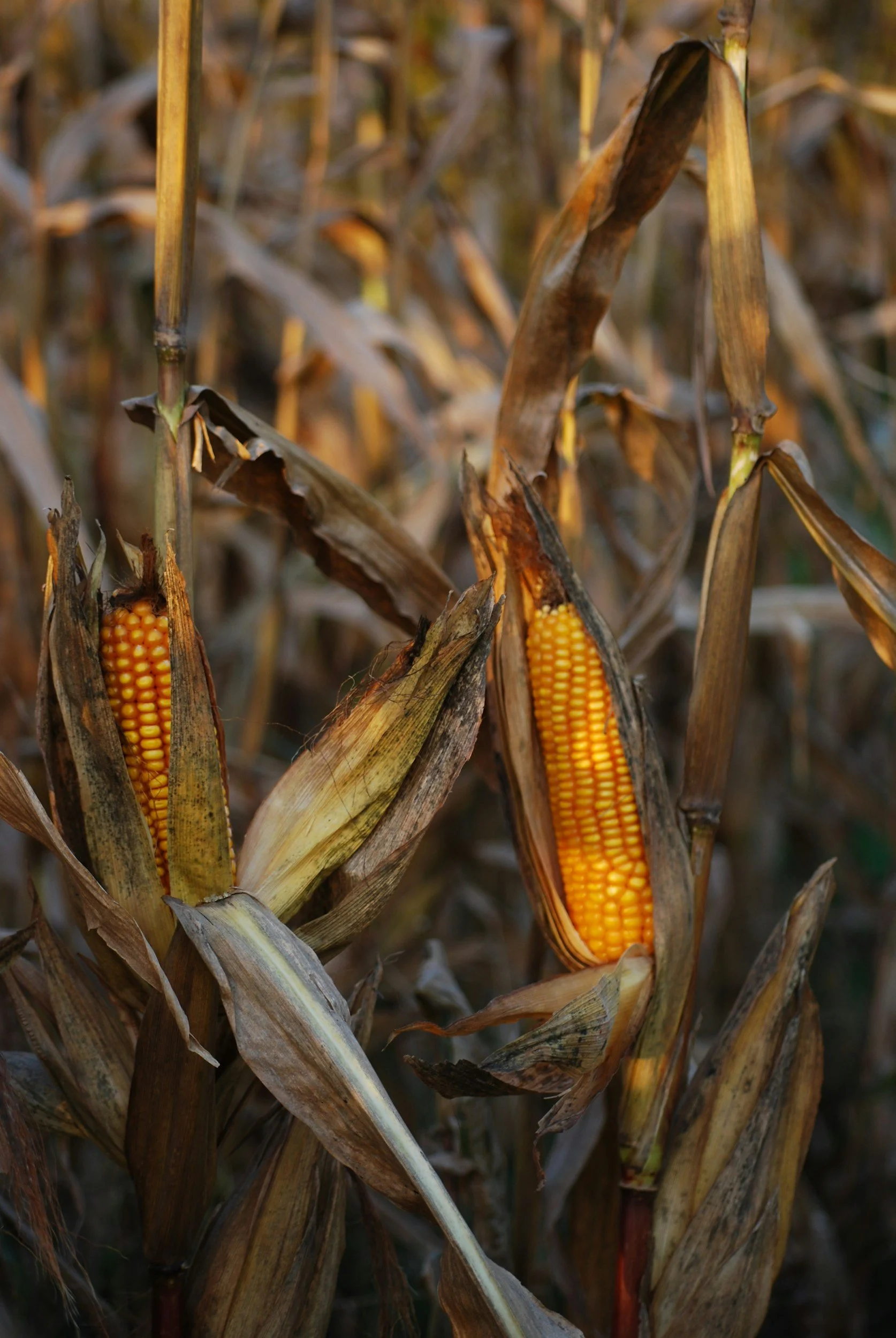
Corn is knee-high by the Fourth of July and ready to be harvested in September in the Midwest. Our family lived in the suburbs of Chicago, but some relatives had a farm in Northern Illinois. Subsistence farmers. This type of farming primarily grows food to feed themselves and their families. They use very low-tech methods. Hey, we're talking about the 1960s: no Wi-Fi, no cell phones, no computers, and no iPods. The contrast between our suburban life and the rural farm life was stark. Low-tech farming methods require a strong back and many hours of manual labor. And, of course, the best source of manual labor is kids.
From Station Wagon to Corn Rows
That is where we, suburban-raised kids, came in. Labor Day weekend, my parents and my dad's sisters' families all took a trip to 'Al's Farm.' We were excited, a new experience. What could be more fun? We arrive at the farm, which features a small, vintage 1940s farmhouse, a pigsty, a hay barn, a cow barn, pastures, a garden, and cornfields. We all piled out of the car—a station wagon; we were sitting in the jump seat, facing the back of the wagon, which wouldn't be acceptable today. Not to mention, there were no seatbelts or child seats. It's a long drive, probably at least an hour. During the drive, Mom tried to keep us focused by playing the license plate game. How many out-of-state plates can you see? We always did this on long trips, and it kept us engaged, rather than poking each other with the mantra, "I'm not touching you…" That annoyed Mom. We arrive at Al's Farm and unload ourselves. We find the tire swing and head for it, fun on our minds. The parents went into the house to meet with Al and his wife, Sally, to discuss strategy. Okay, what will we kids do at the farm today?

A New Kind of Job Description
“Pick, shuck, pile.” That was the mission, and jobs were defined. The corn in the fields was dried out, and the animal corn needed to be harvested and shucked, and we were the designated crew. It would then be thrown in piles to be picked up by the donkey-led wagon after it was all picked. Each of us had a role to play, a shared responsibility that made us feel connected and part of the farm's operations.
We were excited to do this. New experience. We spent most of the morning picking and shucking animal corn. We took our job very seriously. There were no distractions; the only thing we saw was row upon row of corn stalks. Not being a musical lot, we did not burst forth in song while we were working. We finished by lunch and went to the farmhouse for sandwiches. Lemonade was available. Aunt Sally used the farm's hand-pumped water, which, unfortunately, due to the high sulfur content of the water in that area, had a taste reminiscent of rotten eggs. The lemons did not mask the taste. After lunch, we took a break and explored the farm. We found the pig pen and were fascinated with the pigs. We tried to grab the pig's tail through the fence to see how long we could hold on to it. Not long, obviously, but it was fun and didn't hurt the animals. We got back to work. In the afternoon, we picked up our shucked corn. We got to ride the donkey-driven cart, and we threw the shucked corn into it, which was then taken to the barn and stored for the animals for winter. After we finished our assigned chore, Uncle Al took us out to the back pasture to teach us how to shoot and drive a tractor. I failed tractor driving because I headed the tractor to a post before my uncle corrected the wheel.
Farm-to-Table—and Straight to Sleep
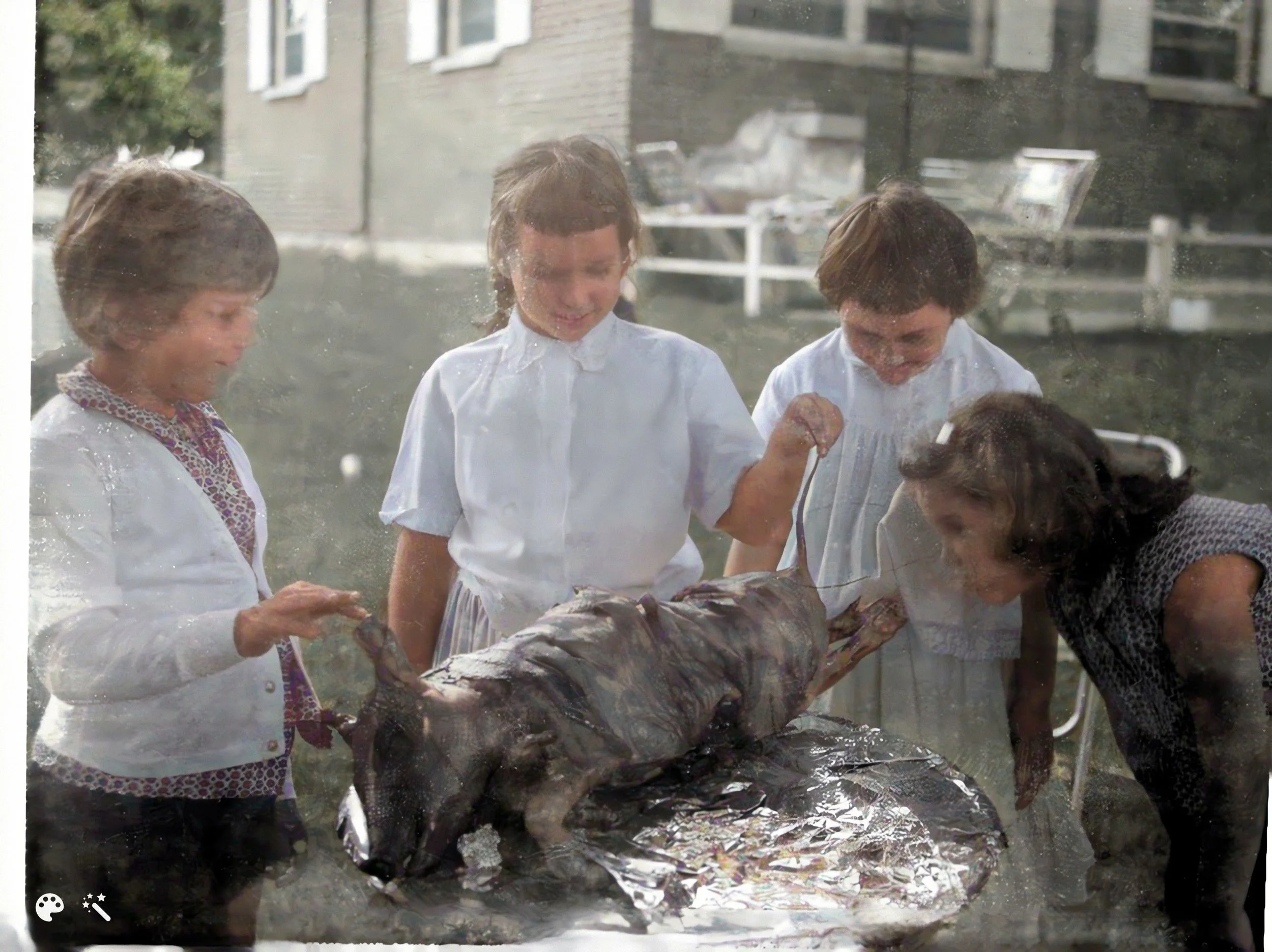
Our parents’ job was dinner, and I have to say that dinner was a feast: a whole pig cooked on a spit, fresh tomatoes from Sally’s garden, and vegetables that hadn’t seen a store shelf. The grown-ups celebrated, the kids dozed off one by one, and by the time we were back in the car, we were out cold.
Conclusion: The Work That Worked on Us
We went to the farm expecting a break from routine. What we got was an education - in responsibility, teamwork, and discovering how a job well done can make you feel ten feet tall.
So good. But by then, we ended up sleeping the entire way home, having had a great day of activity. We learned what hard work was by picking and shucking corn and experiencing a job well done. The feeling of accomplishment was palpable as we saw the piles of shucked corn, a testament to our hard work.
We didn’t just learn about farming, we learned what labor was that Labor Day weekend.