How to Get Your Kids to Organize a Room

I want, I want, I want…
I don't know about you, but I probably said those words more times than I care to remember as a kid. Do you have that same recollection? Do you hear it from your kids? Grandkids? When I saw an advertisement for the cool roller skates in the Sears catalog, I want it quickly came out of my mouth. If I saw something my friend had that wasn't in our repertoire of toys, I want it was uttered by one of my sisters or myself. Five sisters, all chanting at one time or another, I want it. I want it. I want it. Maybe this is how Marie Kondo got started.
I remember that my mom’s tried, and true responses were probably echoed not only by my mother but mothers everywhere. The reactions usually garnered included "your birthday is coming” or “let Santa know for Christmas.”
Even with mom, the gatekeeper of perceived unnecessary stuff, our rooms, the dining room table, and even the garage eventually got to the point that there was more chaos and clutter than was acceptable. This mayhem brought about a change that stayed with all of us to this day. Since a garage sale or a storage unit was always a threat if we didn’t put our stuff away. We went from organizing our room to managing and being a responsible family member that owned keeping the entire house organized, the amount of stuff would have been unyielding if left unchecked.
But how does this get done? As in many households, parents are busy balancing their work/life responsibilities. In our home, mom’s newest challenge was finding a way to get five kids, ranging from two to twelve to, pitch in, work together, and continue observing and organizing long after we were grown up. A heady challenge that was not a once and done project but a lifelong learning experiment. Organizational skills? Mom had to have been a professional organizer. This was not something that came naturally to all of us. The 2-year-old got a pass early on but got her own personal, one-on-one organizational skills lesson as she got older.
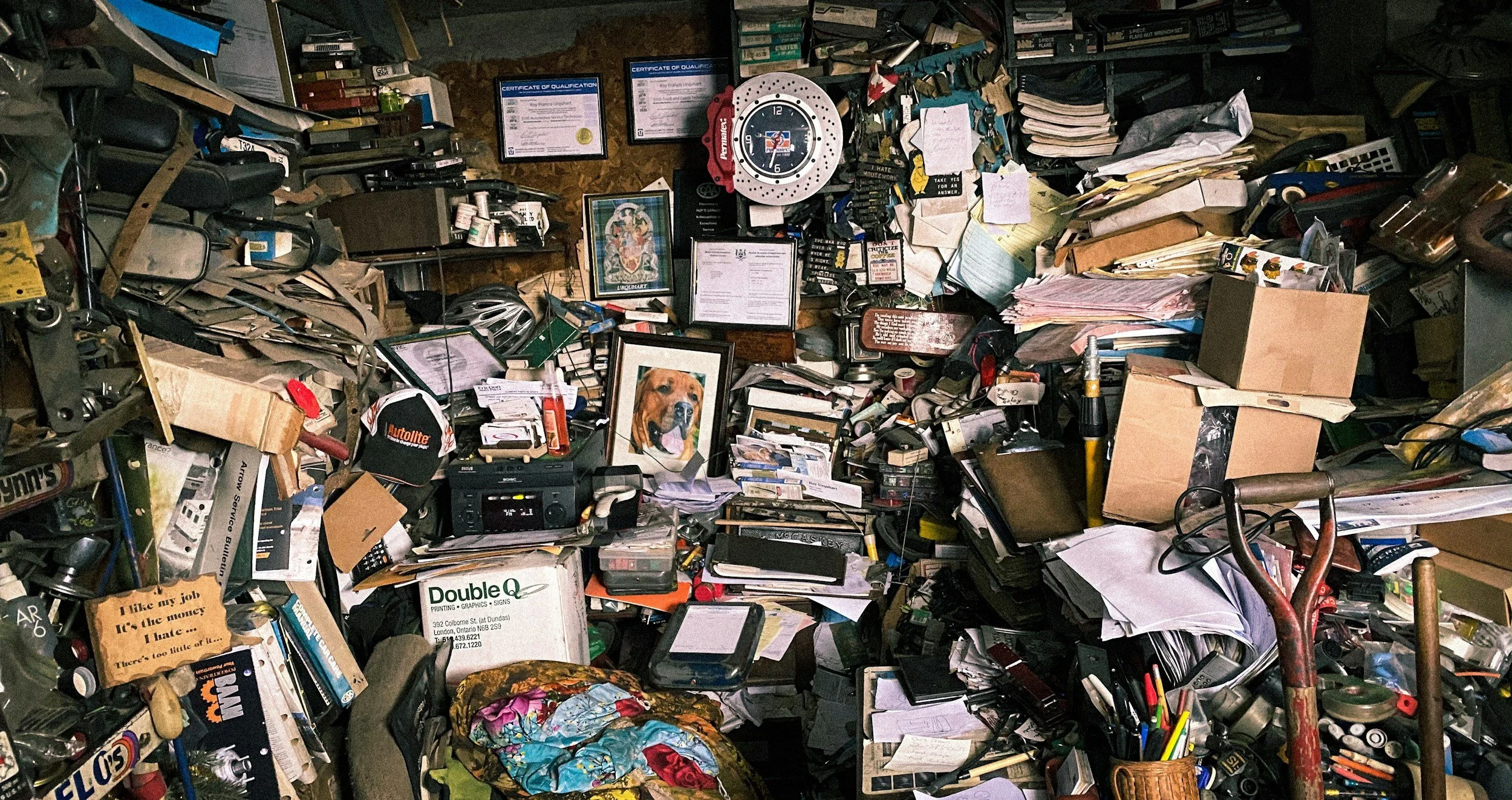
Teach your kids to organize
So how did the kids' different learning styles, personalities, perceptions of what "organized" looked like get it done? Well, the magic behind my mom's success was to make it more significant than the task.
My mom was a master of magic. Getting a kid's room organized is not about "you better do it, or else…," or even "we don't live in a pigpen," and expect to get long-term changes to occur.
Here are just a few of her best practices that helped us organize when there is too much stuff.
1- Check-list – Now, you might groan at the idea of a checklist or a to-do list that is time-bound that needed to be completed. Mom tied her strategy for the successful completion of the task to freedom. The freedom was the ability to spend the rest of the day doing the activities we wanted to do. It started with a list that magically appeared on Saturday morning. The objective, to complete all the items on the list by noon. The rule was simple: divide the number of jobs to be completed by the number of siblings. Mom always made sure that the list was divided equally among the kids.
The unintended positive consequence of this list was that sleeping until noon was not an option if we wanted the freedom dangling at the other end. She did not assign the tasks to an individual sister. It was our job to "get the job done." Each item listed was fair game and, whoever completed their portion of the mission was on a first-come, first complete basis. Every Saturday morning started early, and assignments were completed, with initials next to the item so mom could confirm that someone completed the work. Even the least organized sisters knew the benefits and worked towards that goal.

2- Plan Ahead – Before bedtime, we reviewed what the plan was for the upcoming day. School? Was there a soccer game? Baby-sitting gig? A big test was coming up by the end of the week. Sunday church?
We would talk through and then pull out the appropriate clothes or gear and have them positioned and ready to grab the following day quickly. The benefits, numerous; if something needed to be washed or ironed, we had a chance to complete it the night before. If there is a snack required the next day or an assignment that needed to be signed, it would be done without the crazy rushing that takes place when then is no proactive planning.
3- Hanger Rotation – Organizing closets and drawers could be considered a tedious task and could easily be considered work. The hanger rotation was a game that allowed us to hang up our clothes every day without the constant reminder to "pick up your clothes!" or "clean up your room," or my favorite, "how many times do I have to tell you...." The game was simple. At the beginning of the year, all the hangers had clean clothes hung, and the hangers turned in the opposite direction. When an outfit was worn or washed, we would hang them up, then turn the hanger back in the correct order. The goal was to wear everything in the closet by the summer, and this occurred when hangers were back in the right direction.
The contest was to see if we could "win" the hanger rotation game. The "winner" picked the dinner of their choice, six months and one day after the start of the event. Then the hanger rotation would begin again for the next six months.
The amount of stuff that didn’t make it to year two gave us pause and we rethought our purchases in the future. This time, a garage sale felt like it was the right way to go. Since we weren’t using them. We ran an ad in the Washington Post and found a home for everything.
4- Off the floor - Everything had to be off the floor and hung up in the closest by the time we went to bed. Kids will be kids, and even the best-laid plans can find kids oversleeping, rushing around to get out of the house without missing a bus, disarray occurs, often. The morning chaos can make both parents and kids feeling like the day started on the wrong foot. The organization skill practiced was that by bedtime, everything had to be off the floor. So, if the morning was hectic and things were left askew, it didn't matter why; no ramifications for leaving the room a mess occurred. As long as everything was in its proper place before lights out, the room was considered tidy, which started the next day organized. Many nights before lights out, I was rushing around the room, ensuring that everything was in its place. On the other hand, my sister would go upstairs, without fail, after school every day and clean up her mess. We have to remember that there is no one right way or time to complete the task.
5- Make your Bed – Overslept, running late for school, no time for breakfast, these are often the norm in many households; it was in ours. We knew that regardless of our issues in the morning, the bed had to be made; it was non-negotiable. Why? If the rest of the day was as disarrayed as the start of the day, we had the satisfaction of knowing that we completed something successfully. This gave an order to the chaos and helped with those days that you feel you've accomplished nothing.
When asked, can someone learn organization skills, the answer is an emphatic, yes! But it doesn't have to be work, with a game, a challenge, everyone can find a reason to organize a room with too much stuff.
What creative ways were you taught to be organized? What have you done with your kids, grandkids?