Grandparent Camp in a Box: 5 Easy Theme Days Kids Will Actually Remember
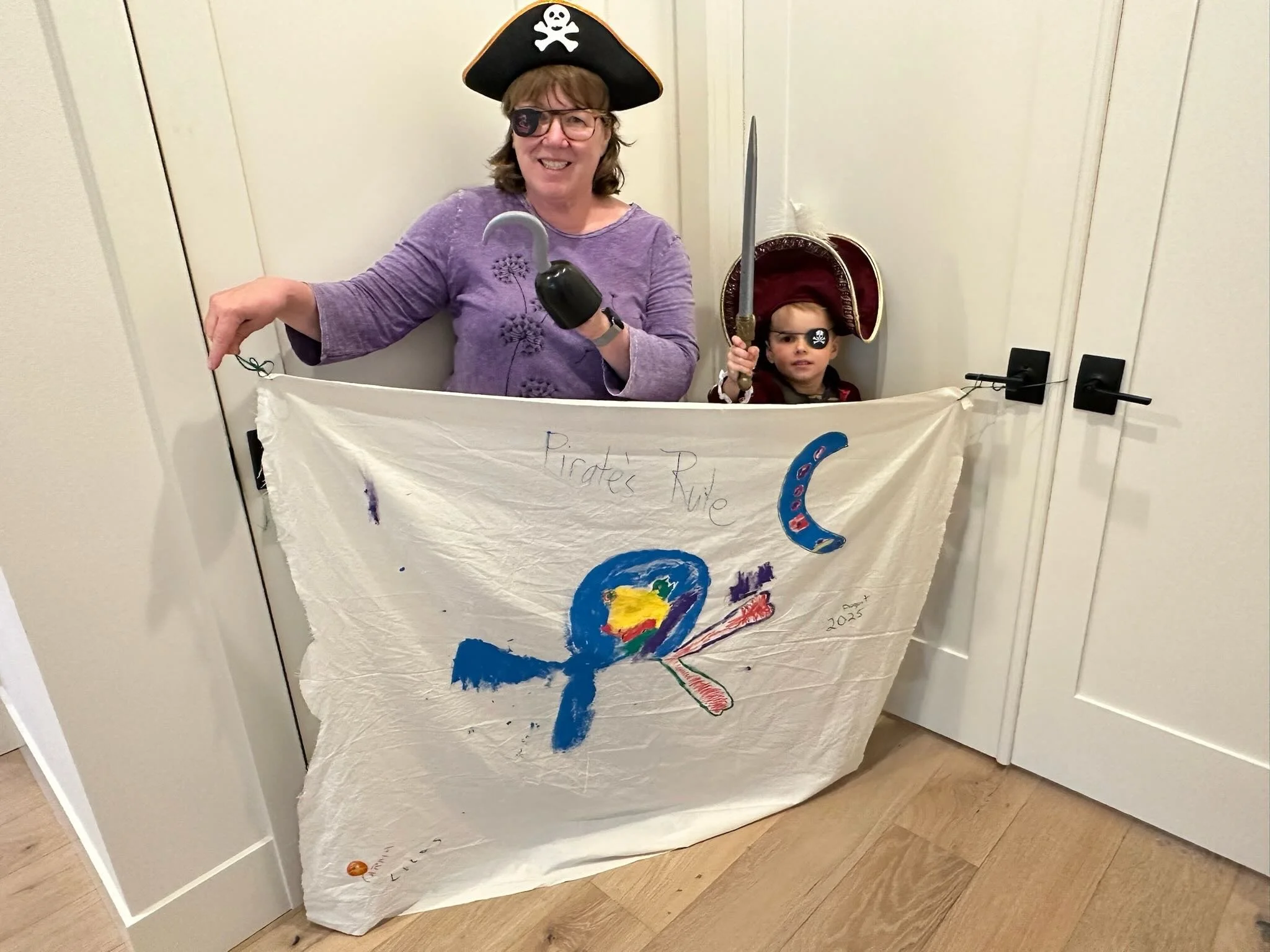
Every summer, I run Camp Carma for one wonderful, wild, joy-filled week with my grandkids.
And by “camp,” I do not mean cabins, counselors, and a lake with questionable canoe rules. I mean a week of backyard adventures, kitchen experiments, story time, crafts, giggles, snacks, surprises, and the occasional moment when I wonder why I thought glitter was a good idea.
But here is what I have learned: children do not need complicated activities to have unforgettable fun.
The ideas in this blog are tried and true from Camp Carma. They have been tested by real kids, real messes, real laughter, and real “Can we do that again?” requests.
They are simple. They are flexible. They do not require a giant budget or a degree in camp management.
They just require a little planning, a playful spirit, and a willingness to let the day unfold with a child’s imagination leading the way.
That is where Grandparent Camp in a Box comes in.
No bunk beds required. No camp nurse. No matching T-shirts unless you really want to go there. This is simply a way to turn ordinary time with your grandchild into a themed adventure using things you probably already have around the house.
The “box” can be a basket, a tote bag, a shoebox, a laundry basket, or the mysterious cabinet where crayons retire. Inside, you place a few simple items for the day: a book, a snack, a small activity, and maybe one surprise.
That’s it.
Kids do not need complicated. They need a connection. They need your attention. They need a reason to say, “Remember when we did that?”
Here are five easy Grandparent Camp theme days that are playful, doable, and full of memory-making power.
Day 1: Backyard Explorer Day
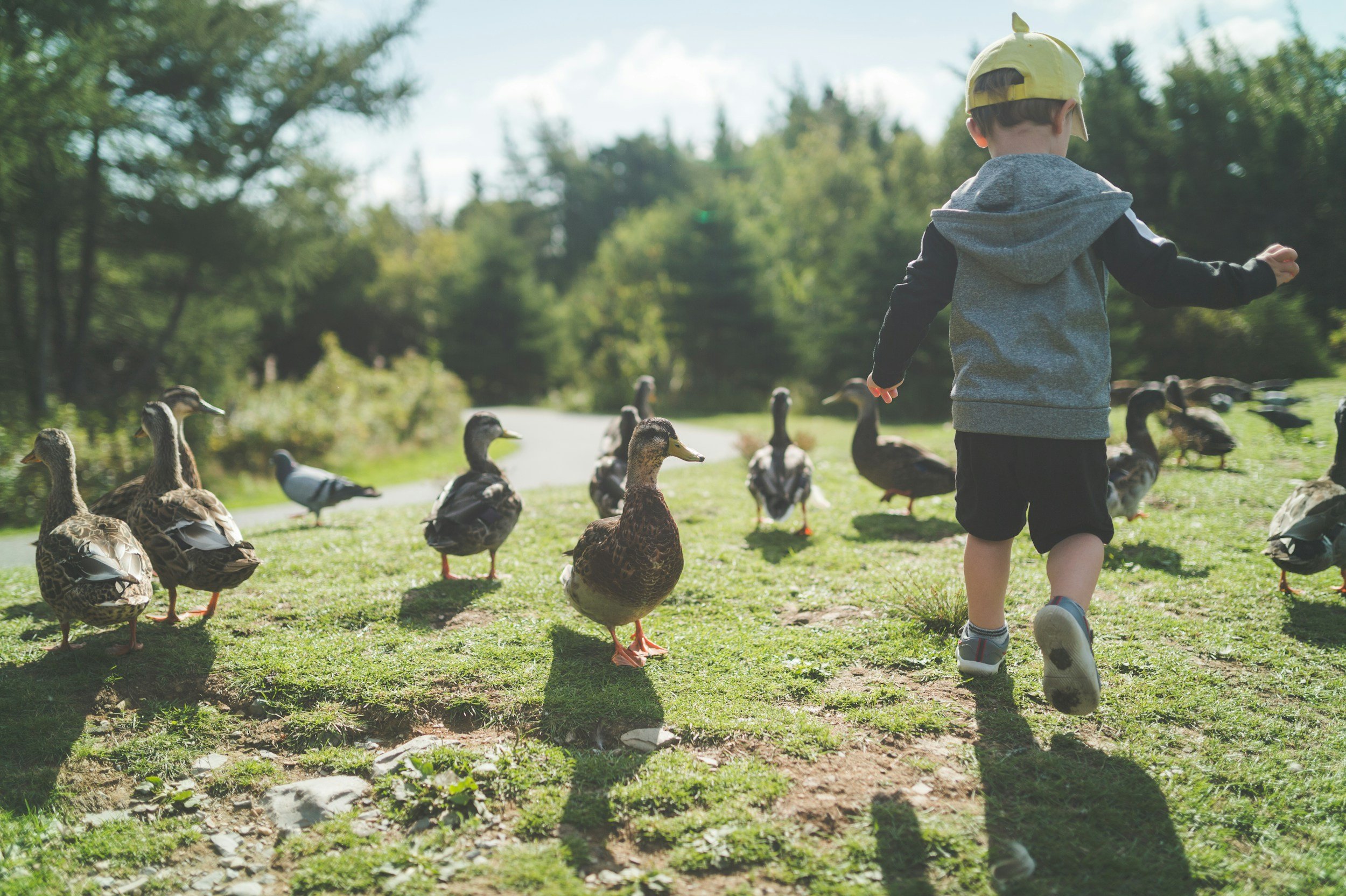
Every backyard has secrets.
A leaf that looks like a dinosaur footprint. A worm doing important underground business. A stick that is clearly a magic wand, fishing pole, walking staff, or dragon bone, depending on the child holding it.
For Backyard Explorer Day, the goal is simple: go outside and look closer.
Pack your camp box with a magnifying glass, paper bag, crayons, a clipboard or notebook, and a book about nature, bugs, animals, or seasons. If you do not have a magnifying glass, no problem. Children are naturally equipped with curiosity, and curiosity works just fine.
Start with a “mission.” You might say, “Today we are going to find five tiny things we usually walk right past.”
Then let your grandchild lead. This is important. Grown-ups tend to move from Point A to Point B. Children move from Point A to a rock, to a crack in the sidewalk, to a bug, to a cloud shaped like a chicken, to Point B three hours later.
That wandering is not wasted time. It is learning.
Try a mini scavenger hunt: find something soft, something bumpy, something green, something that moves, and something that makes you say, “Huh. That’s weird.”
End the adventure by drawing one discovery. Do not worry if the drawing looks nothing like the thing. A child’s picture of a worm may look like spaghetti with ambition. That is perfectly fine.
Ask, “Tell me about this.” Then listen.
That tiny sentence turns a scribble into a story.
Day 2: Storybook Picnic Day
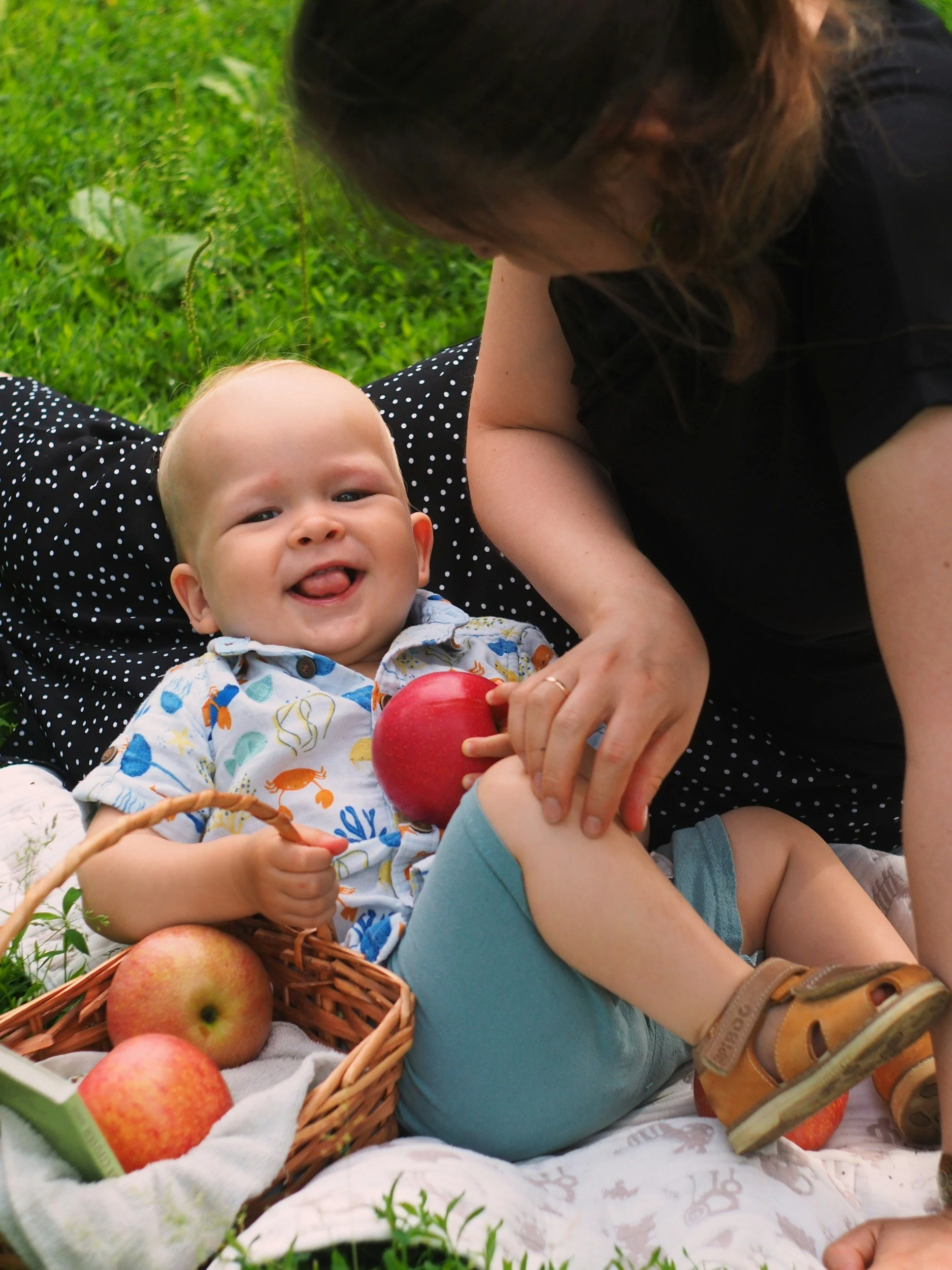
A picnic does not need ants, a wicker basket, or a meadow full of wildflowers, but you can always create a picnic party with pretend ants.
A blanket on the living room floor counts.
Storybook Picnic Day combines three things children usually love: food, stories, and eating somewhere they are not normally allowed to eat.
Place a few books in your camp box, along with napkins, a small blanket, a snack, and maybe a stuffed animal guest. Invite your grandchild to choose who gets to come to the picnic. Teddy bears are excellent listeners. Dinosaurs can be rowdy, but they mean well.
The snack does not have to match the book, but it is fun when it does. Reading about bears? Serve berries. Reading about dinosaurs? Serve “dino eggs,” also known as grapes, cheese balls, or anything round. Reading a beach story? Serve fish-shaped crackers.
Before you begin, make a big announcement: “Welcome to the first official Storybook Picnic. Please keep all paws, claws, and crackers on the blanket.”
Then read together.
This is a great time to use the S.P.A.R.K. idea in a very natural way. You can Seek little details in the pictures, Point to funny characters, Ask what might happen next, Review favorite parts, and Know the parts of the book, and that even a silly picnic is helping build a reader.
The best part? You are not teaching like a school lesson. You are simply enjoying a book together.
After reading, ask your grandchild to “feed” a favorite part of the story to the stuffed animal. For example: “Tell Bear what happened when the puppy got lost.”
Children often retell stories more easily when they are telling someone smaller, softer, or stuffed.
And if snack crumbs end up in the blanket, congratulations. That means camp is working.
Day 3: Kitchen Helper Day
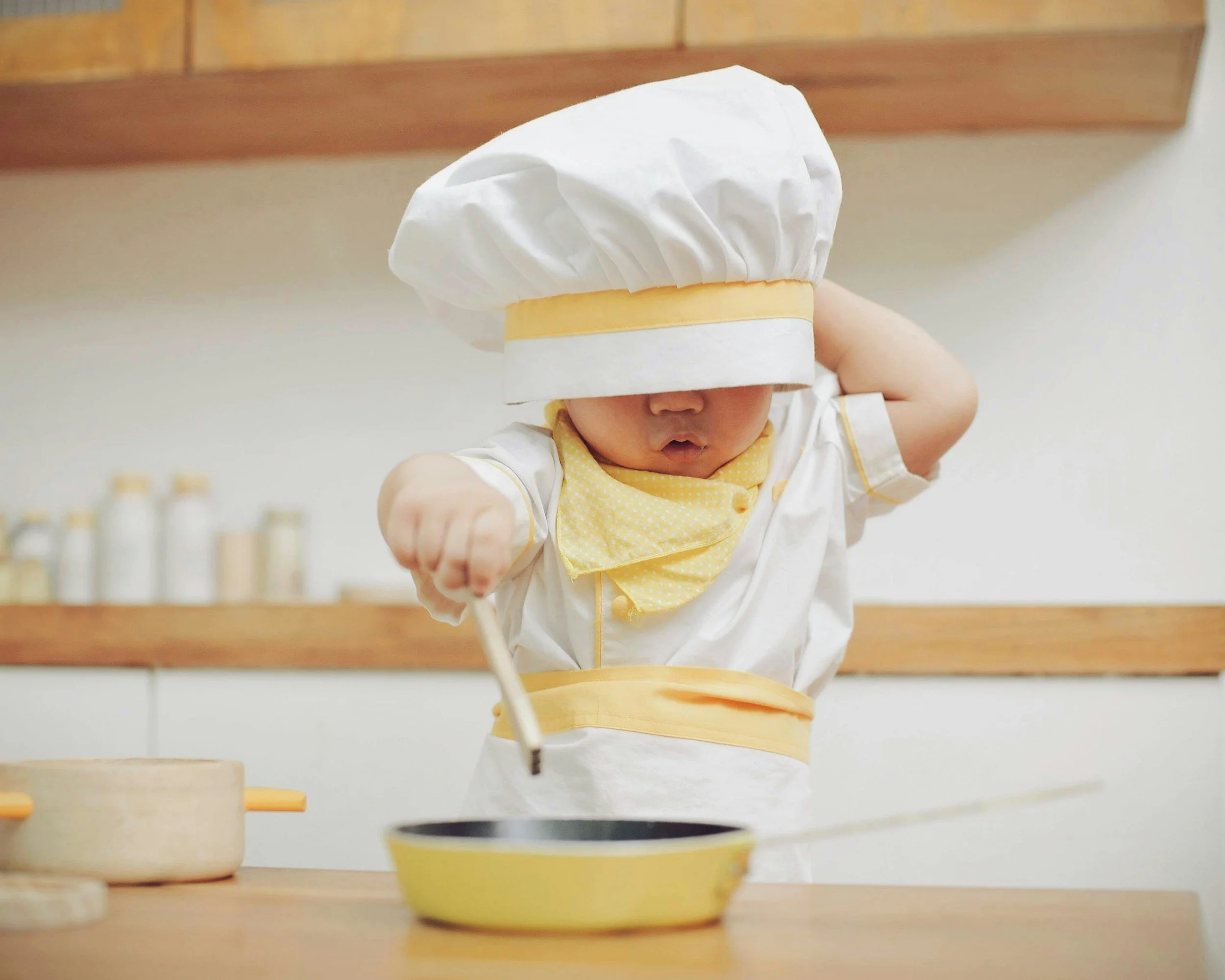
Kitchen Helper Day is not about creating a perfect recipe.
It is about stirring, counting, pouring, smelling, tasting, and trying not to panic when flour lands somewhere flour has no business being.
The kitchen is secretly full of learning. Measurements. Sequencing. New words. Patience. Teamwork. Also, the important life lesson that sprinkles improve almost everything.
For your camp box, include a simple recipe, measuring spoons, a wooden spoon, an apron or oversized shirt, and a “chef name tag.” Your grandchild can become Chef Pickle, Chef Cupcake, Chef Captain Crunchy, or whatever name the moment requires.
Choose something easy: fruit kabobs, mini pizzas, trail mix, pudding cups, muffins from a mix, or decorated toast. This is not the day to attempt a towering French pastry unless you enjoy chaos with frosting.
Give your grandchild real jobs. “Can you count five strawberries?” “Can you pour this in…?” “Can you stir ten times?” “Can you smell the cinnamon?”
Use words like first, next, then, and last. Those little words help children understand sequence, which matters later when they are reading stories, following directions, and explaining what happened.
And here is the grandparent secret: kids are often more willing to try food they helped make.
Not always, of course. Sometimes they will help make it, decorate it, name it, sing to it, and still refuse to eat it because it has “a dot.” Children are mysterious people.
That is okay.
The memory is still cooking.
At the end, take a picture of the chef with the creation. Better yet, ask your grandchild to name the recipe. “Lucas’s Super Rocket Muffins” sounds much more exciting than “muffins from a box.”
Write the name down. Now you have a family recipe.
Day 4: Red, White, and Remember Day
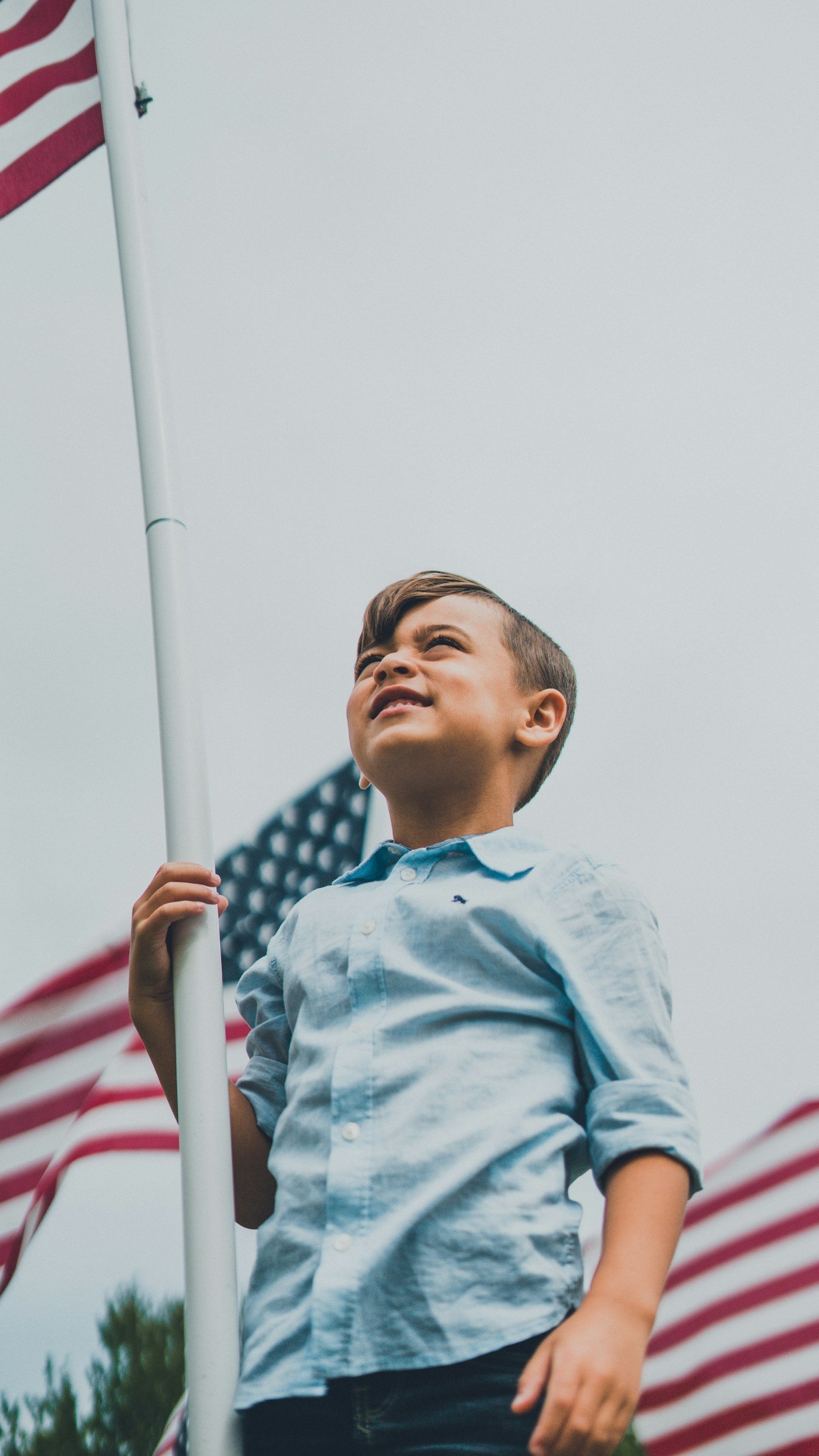
This theme day is especially fun as America 250 approaches, but it can work anytime you want to connect family, country, and story in a simple way.
Red, White, and Remember Day is not a history lecture. Little kids do not need a long explanation about dates, documents, or powdered wigs.
They need stories.
Pack your camp box with red, white, and blue crayons or paper, a small flag, family photos, star stickers, and a book about America, community, helpers, or family traditions.
Start with a simple question: “What does it mean to be part of a family?” Then connect that to being part of a neighborhood, a town, and a country.
Children understand belonging before they understand history.
Make a “Family Freedom Flag.” Your grandchild can decorate a paper flag with pictures or words showing things your family loves to do together: reading books, baking cookies, going to the park, helping neighbors, telling stories, or having breakfast for dinner because rules are flexible at Grandma’s house.
You can also share a short family memory. “When I was little, we used to…” is one of the most powerful openings a grandparent can use.
Kids love hearing that you were once small. It shocks them every time.
Keep it light. Tell them about parades, sparklers, family picnics, songs, old neighborhoods, or a grandparent who made the best potato salad in three counties.
Then ask, “What tradition should we start?”
That one question can become the beginning of something they remember for years.
Day 5: Kindness Mission Day
Every camp needs a mission.
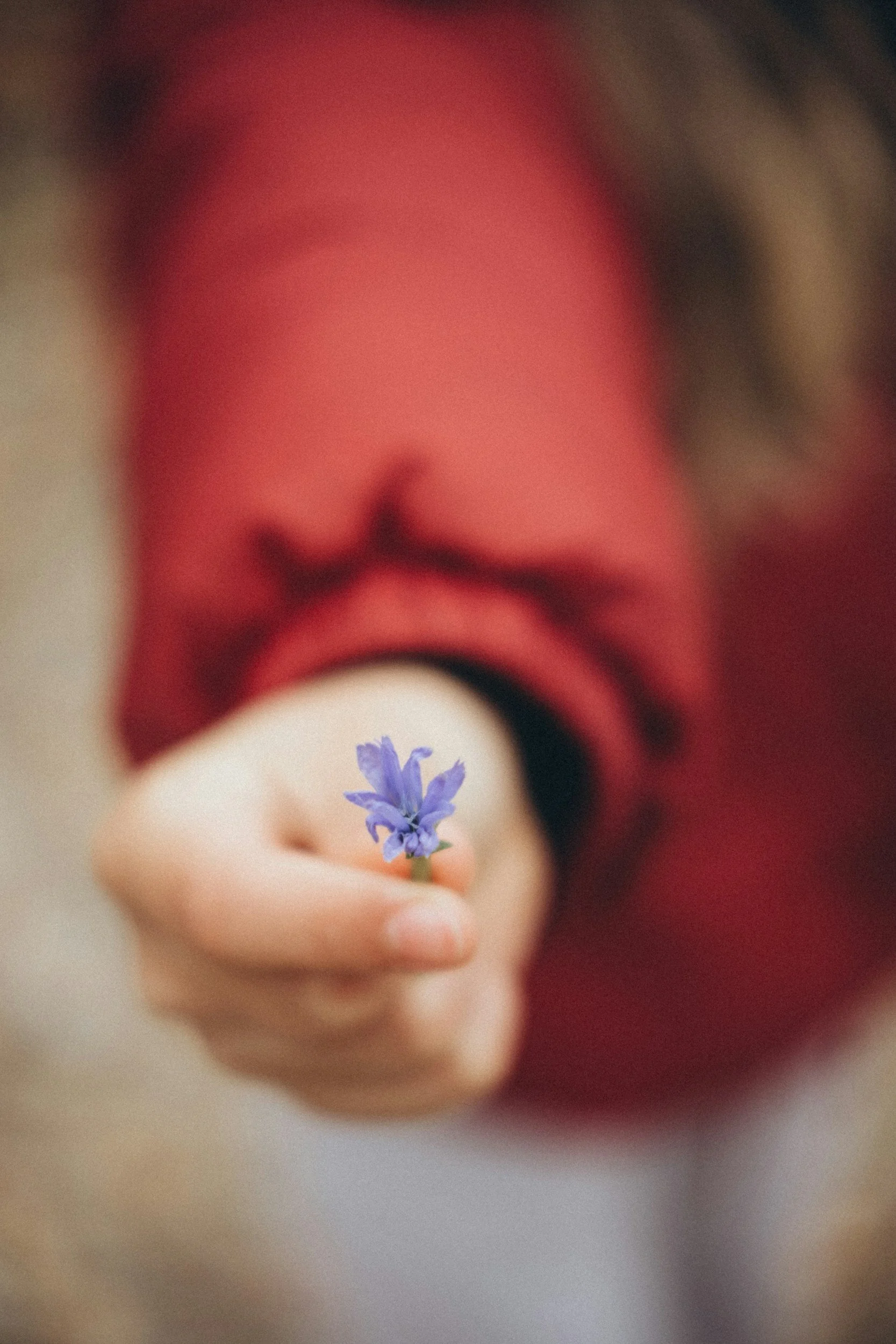
Kindness Mission Day turns your grandchild into a secret agent of goodness.
The mission can be tiny. In fact, tiny is better. Children learn kindness by doing small, concrete things they can understand.
Pack your camp box with paper, crayons, stickers, envelopes, and a simple checklist. Your checklist might include: draw a picture for someone, give a compliment, help clean up, call someone to say hello, feed a pet, or leave a happy note.
Begin with dramatic seriousness: “Your mission, should you choose to accept it, is to make someone smile today.”
Then whisper, “This is very important work.”
Children love important work.
Make kindness tickets. These can say things like, “Good for one hug,” “Good for one silly dance,” “Good for help setting the table,” or “Good for one story read by me.”
If your grandchild is too young to write, let them scribble, stamp, or decorate. You can write the words for them. Their contribution still counts.
This theme day is also a lovely way to connect with cousins, neighbors, parents, or someone who could use a cheerful surprise. A picture in the mail can become a treasure. A phone call can brighten someone’s afternoon. A child proudly carrying napkins to the table can feel like a hero.
At the end, ask, “How did it feel to make someone happy?”
That question matters.
It helps children notice that kindness is not just something we talk about. It is something we practice.
The Magic Is Not in the Box
Here is the truth: the box is just a trick.
A helpful trick, yes. A fun trick, absolutely. But still just a trick.
The real magic is you.
It is your voice reading the story. Your laugh when the flour spills. Your patience when the backyard walk takes forty minutes and covers twelve feet. Your willingness to let a child stir badly, draw wildly, wonder loudly, and tell a story that begins with a dinosaur and somehow ends with a pancake.
Grandparent Camp does not have to be fancy to be unforgettable.
Children remember how they felt.
They remember being chosen. They remember being listened to. They remember that you had a plan, even a simple one, just for them.
So grab a box. Toss in a book, a snack, a few crayons, and a little imagination.
Then, announce that camp has begun.
No registration required. No bug spray unless needed. No perfect plans allowed.
Just you, your grandchild, and a day worth remembering.
Ready to Start Your Own Grandparent Camp?
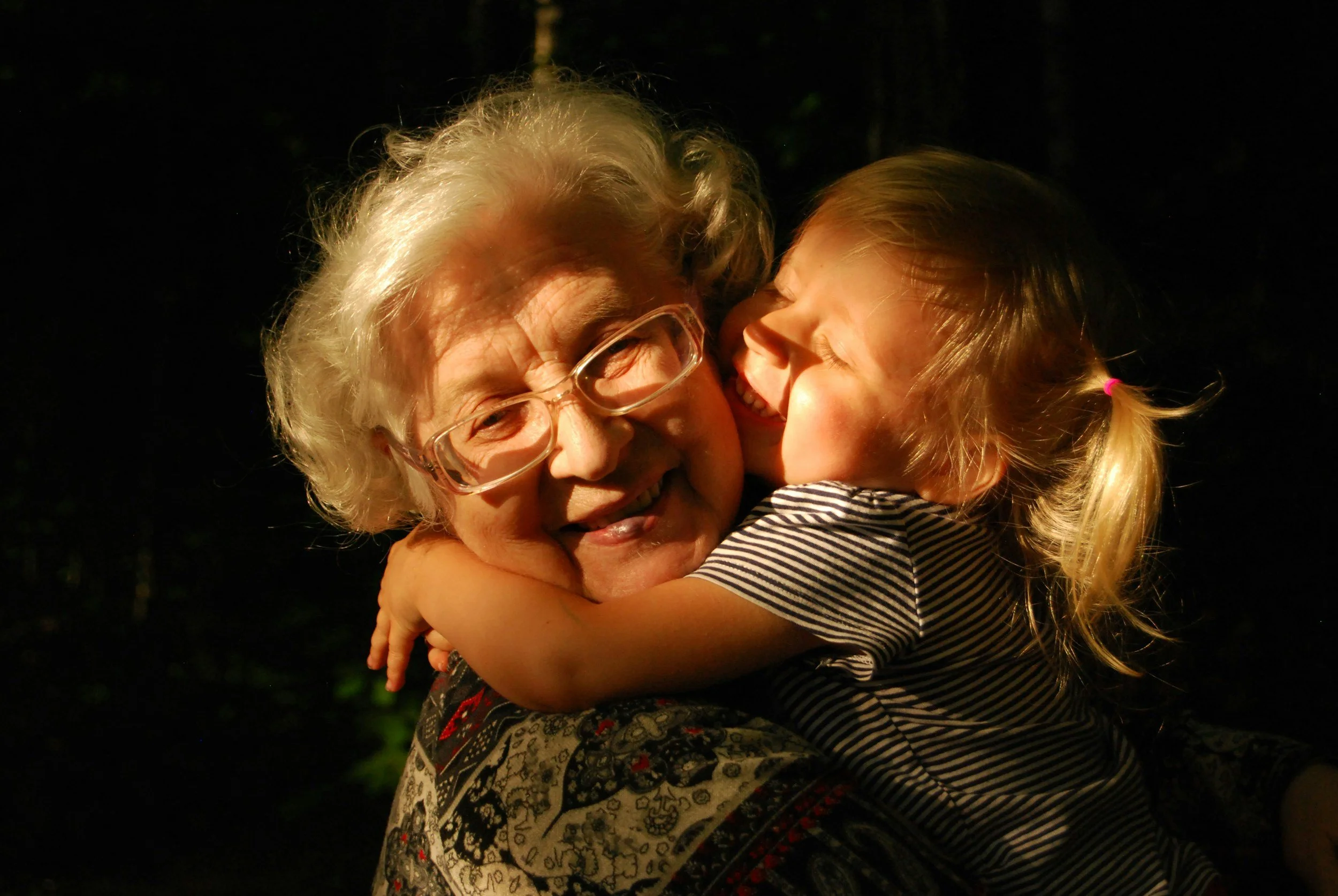
You do not need a full week, a fancy schedule, or a closet full of craft supplies to create your own version of Grandparent Camp.
Start with one theme day. One book. One snack. One little adventure.
Then watch what happens.
And while you are building those memories, remember this: every story you read, every question you ask, every silly activity you try is helping your grandchild grow in confidence, curiosity, and connection.
We believe learning can be playful, family time can be powerful, and grandparents can be some of the best literacy champions a child will ever have.
For more playful reading ideas, grandparent activities, and simple ways to raise readers together, visit CJ Corki and join our CJ Corki community.
Because the best memories do not always come from big plans.
Sometimes, they come from a box, a book, a snack, and someone who says, “Let’s make today fun.”