Grandma’s Wringer Washing Machine
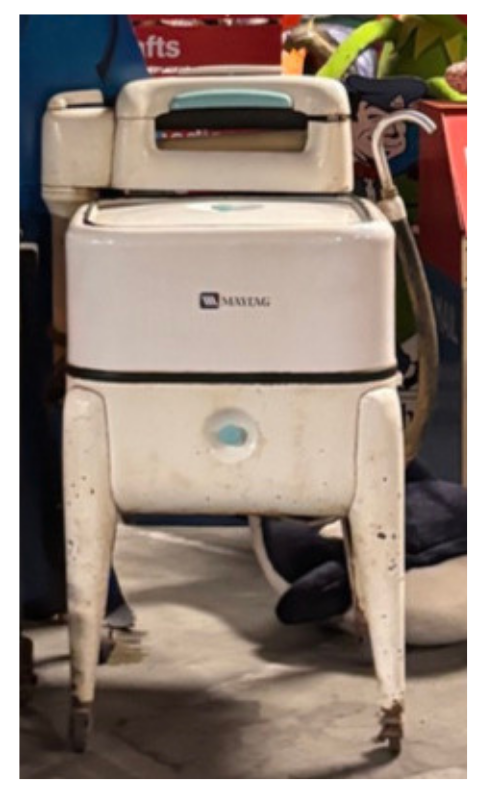
Wringer Washing Machine
What can you learn from Grandma’s wringer washing machine?
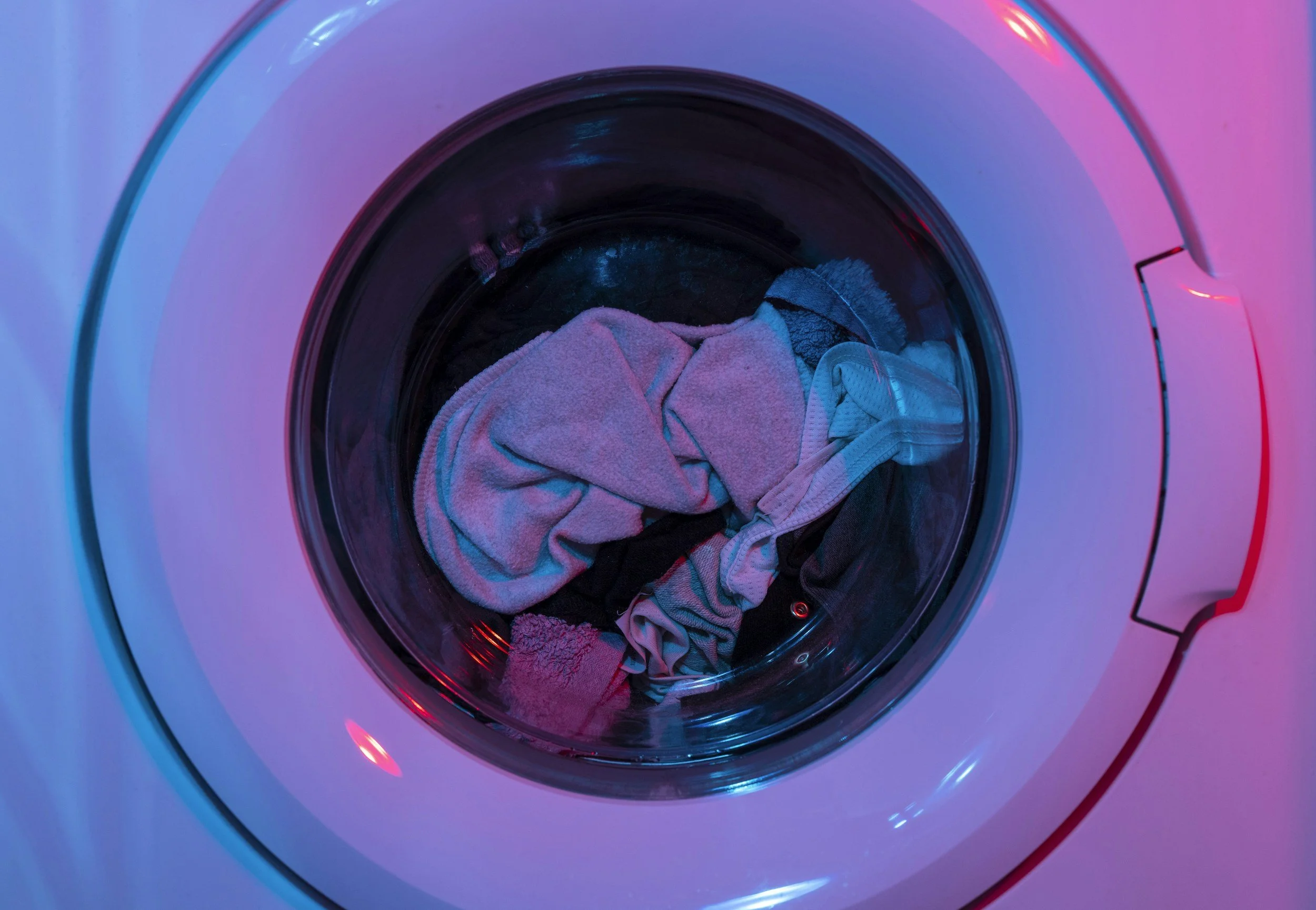
If there's one household appliance most of us could not do without, it's the washing machine. We all need to use them. Most of us use it at least once a week. We may have to drive to a laundromat, go down to the basement, or down the hall to complete the function of washing. We gather our dirty items and carry them judiciously to our laundry area, load the machine and entertain ourselves for 45 minutes before we move our items to the dryer. But the dryer will be a story for another day.
So, what does a washing machine actually do? A quick Google search explains it as putting in dirty, unfavorable clothes, swishing them around gently, adding a little soap, putting them through the wringer, hanging them up to dry, and good to go.
What?? That's not how my washing machine works! You are right, that is the washing machine of the 1940s.
You are probably wondering what a washing machine has to do with intentional grandparenting but stay with me on this journey.
Taking a little trip down memory lane, did you know that the old wringer washers did not spin? You wash first, wring, rinse and wring again. So, what this machine does is the heavy work of swishing. No settings, no timers, no fancy buttons, and spaces for bleach or softeners.
The washing machine I am referring to is my grandma's. It somehow made its way down a rickety set of stairs to a dark basement where a single light bulb gave a shallow hue as you loaded the machine. Now, this washing machine was not a Bose, Whirlpool, or even a GE front or top loader. This washing machine was a vintage wringer wash machine with industrial strength build in metal enamel. Its girth was dirty white and broad. The opening for the placement of the items was square and wide with an agitator so large that it filled the entire bucket. But it is the top device that was the most unique and mysterious. To the modern eye, it looked like a pasta maker plopped on the top of this humungous machine. Looking at the front it appeared that it was smiling mysteriously and knowingly at you.
As all grandmothers previously, they found lessons in the most obscure place and weaving them into day-to-day activities that teach you without lecturing or guilting you into submission. A piece of advise that will last you a lifetime.
Her washing machine was her vehicle. As a child, it was my honor to bring down the rags to the mysterious basement and start the process.
The task of gathering the dirty items, mostly rags, was my weekly activity, and interaction with the washing machine was a life lesson. The simple act of filling the machine with those rags, making sure the water level was at exactly the right level was the first step. As in life, a washing machine overflowing with rags (aka work) will throw off our balance and if the water level is above the manufacturer's guide (God), the machine would rock and shake and possibly even dangerously shimmy across the room.
However, it's the wringer that is magical. Since the wringer is a manual process, it is through the action of grabbing the item that needs to be placed in the wringer is cathartic as we naturally think of each of the issues that had us spinning earlier in the agitator. The wringer could only handle a few items at a time. If you selected poorly (bad decisions) the machine would tell you immediately. Too few items and the rollers couldn't pull out the excess water. Too many items stuffed in at once and the roller would creek and even stop, forcing you to re-group and re-think your actions. Personally, I never was able to truly master the art of putting just the right number of items in the wringer.
So, what does a wringer washing machine have to do with being a grandmother? As this grandchild got older I learned from her that shortcuts make long delays and making mistakes is ok. You haven't really lived if you have never experienced something not working out as you had planned. Being human does not come with an instruction manual, a how-to-be-perfect guide.
Outside of museums, there may no longer be wringer washing machines, but there is a treasure trove of day-to-day activities that we can give to our grandkids that can teach, life balance, making mistakes, and changing as lessons are learned…all without using an app.