Grandma's Ruckus: Why a Little Noise Is Just What Kids Need
Sisters
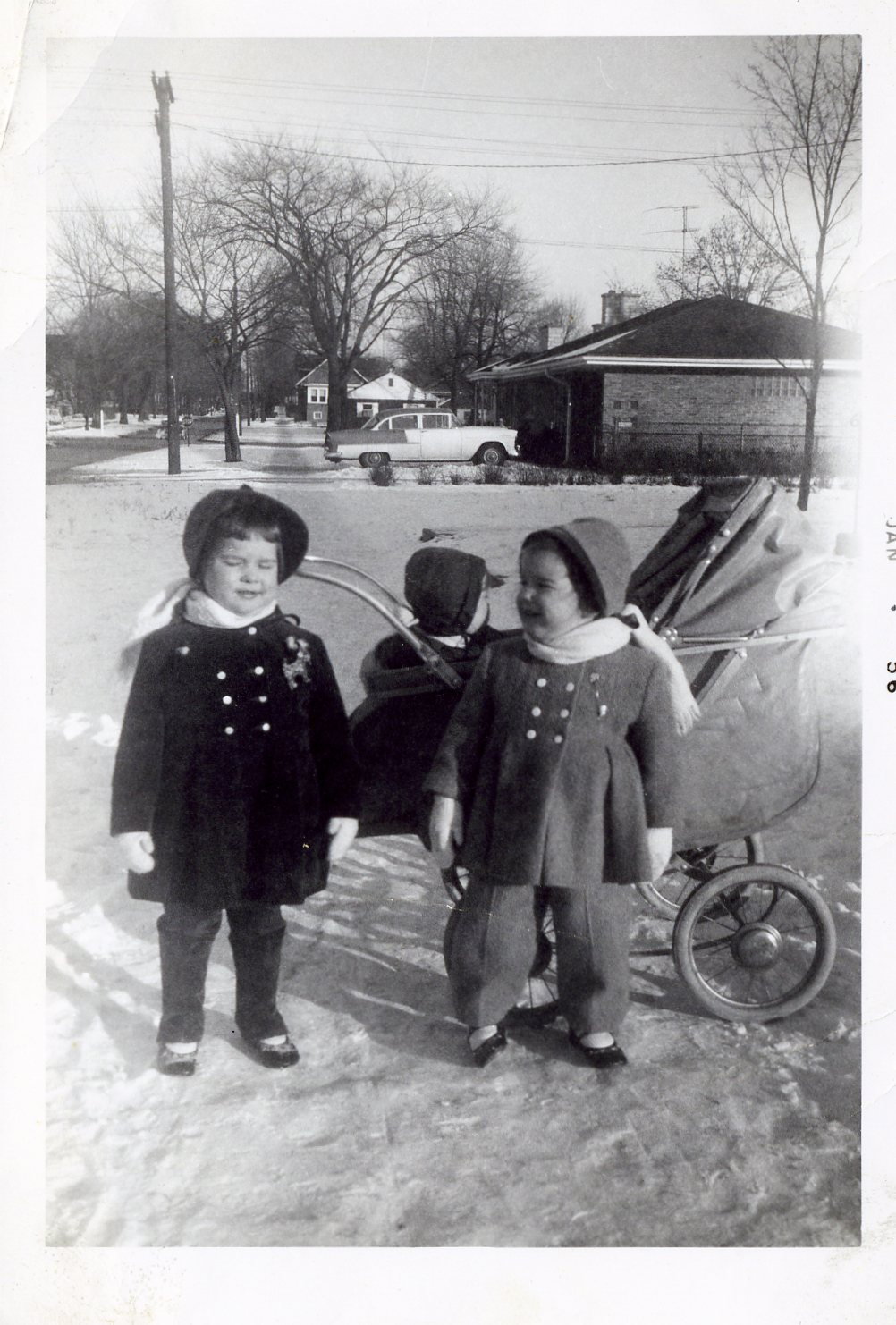
Hi there, I’m Grandma—though around here, I proudly answer to “Carma.” And let me tell you something: I make noise. Where does this behavior come from? When I was a kid, our house was never quiet. We had chaos in every corner—pots clanging in the kitchen, doors creaking open and slamming shut, siblings arguing over who would get up to change the channel, and someone always hollering from another room. And you know what? My baby sister could sleep right through it all. The hum of life became her lullaby. That everyday noise-the comforting kind that fills a home—was just part of my growing up. So now, as a grandma, I carry on the tradition. I still make noise. Lots of noise. A quiet house might seem peaceful, but the noisy ones? That’s where the laughter, the learning, and all the best memories come to life.
Some people think a noisy house means something’s gone terribly wrong—I say it means everything’s going just right. So, before you start Googling “how to soundproof a toddler,” let me give you eight good reasons why I think a little household chaos is exactly what the doctor (and this grandma) ordered.

1. Noise = Brain Gymnastics
You’ all know how kids squish their faces as they try to concentrate on puzzles? Well, when they hear different sounds—air conditioner humming, the dishwasher’s hum, the dog’s bark—they’re doing mental acrobatics. Studies on “environmental enrichment” (think lively surroundings vs. quiet dullness) show that stimulating environments lead to more brain connections and even thicker, more active cortices.
2. Sound Play Fuels Language & Social Skills
Pop, clang, whisper—play that lets kids experiment with sounds helps them learn the building blocks of language. A lovely piece said, “Sound isn't just background noise—it's one of the most powerful tools for child development” When they mimic their siblings practicing piano or me saying, “Whoo!” like an owl, they’re tuning into tone, rhythm, and emotion—skills they use later to read, chat, and even negotiate bedtime!
3. Natural Noise is the original White Noise
You don’t need a fancy sound machine when you’ve got the real-deal soundtrack of life happening right under your roof. The gentle thump of footsteps, the murmur of conversation, the clink of dishes—these everyday homey sounds are like a cozy lullaby for kids. Trust me, my little sister could sleep through a full-blown couch cushion battle in the next room. Why? Because those familiar sounds mean home. They’re safe, steady, and oddly soothing. It’s not noise to them—it’s comfort. And if you’ve ever watched a toddler snore through their big brother’s dramatic one-act performance in the living room, you know I’m right.
4. You Can’t Learn to Screen Without Screen Training!
Yes, yes—tiny ears are delicate. But if your house is only ever quiet, kids might never learn to listen for what matters—like Mama calling them for dinner or the dog’s sniff-sniff signal that something’s up. Science says kids learn to screen out irrelevant noise when tested up close, but too much harsh noise can hamper language skills. The trick? Controlled, playful noise. Not a rock concert or jet engine in the living room.
5. A Little Racket Builds Resilience
This isn’t just woo-woo sweet talk—growing up around reasonable noise helps kids develop auditory resilience. It’s like training their attention muscle. As they get used to background hum—like me knitting while the TV chatters—they learn to focus on what matters. It’s environment enrichment in action, turning life’s ordinary soundtrack into a mental playground
6. Their Developmental Windows Love Sound
Here’s a fun word: “Critical periods.” It’s when young ears are super hungry for sound, and giving them variety then helps the brain's wiring. Missing out on those early years can mean missing out on sharp listening and language skills later. That’s why I lullaby my grands, tell them corny jokes, play “animal and machine” sounds, and even let them be my percussion section.
7. Sensory Play With Sound = Full‑Body Learning
Remember when you dipped your fingers in paint? Now imagine doing that—plus the splat, screech, drumming, crinkle! Sensory experts say sound adds a whole other ticket to the fun train—it boosts emotional, language, and motor skills. My old pots and pans? They’re not just tools—they’re instruments, and spontaneous kitchen concerts spark creativity and coordination every time.
8. Lessons in Volume and Listening
A little noise is fun, but it needs boundaries. The AAP and WHO tell us kids shouldn’t be bombarded all day or blasted with loud music, or headphones turned to the max. So I’m all for making noise—but I’m also for teaching volume sense. When I see little ears perked up or wincing, I dial down. When my rocking chair creaks like a haunted castle, I reassure them: “That’s just grandpa’s ghost, not a fire alarm!”
**So—What’s the Bottom Line?
Happy noise—playful, homegrown, not blaring—helps kids learn, focus, and connect. Silence isn’t always golden; soft, consistent background noise can comfort and train the brain. Critical windows for sound are real—so popcorn blasts, kazoo concerts, and zealous sing-alongs do more than annoy—they nurture neural pathways!
My Grandma Creed:
“Let them hear rain on the roof at 3 AM, laughter bouncing off the walls, and yes—the glorious clang of grandma’s frying pan orchestra. Just don’t give them earplugs for bedtime or subtitles for life!”
In Closing…
Dear parents out there, I’m not encouraging a home version of a demolition derby. But I am inviting a little gentle, joyful noise—because life is audible, and growing ears are meant to listen, learn, laugh, and live. Plus, if your kitchen starts sounding like a jazz club at 2 PM, you’ll know Carma has been through—again.
P.S. If you ever need tips on how to turn a spatula into a drumstick or what tunes to hum before nap, I’ve got you covered. Just look for the breakfast bongos!
Sources: verywellfamily.com en.wikipedia.org mymusicworkshop.com