From Chicago Ice Rinks to Olympic Gold: Try, Fail, and Go for It Anyway
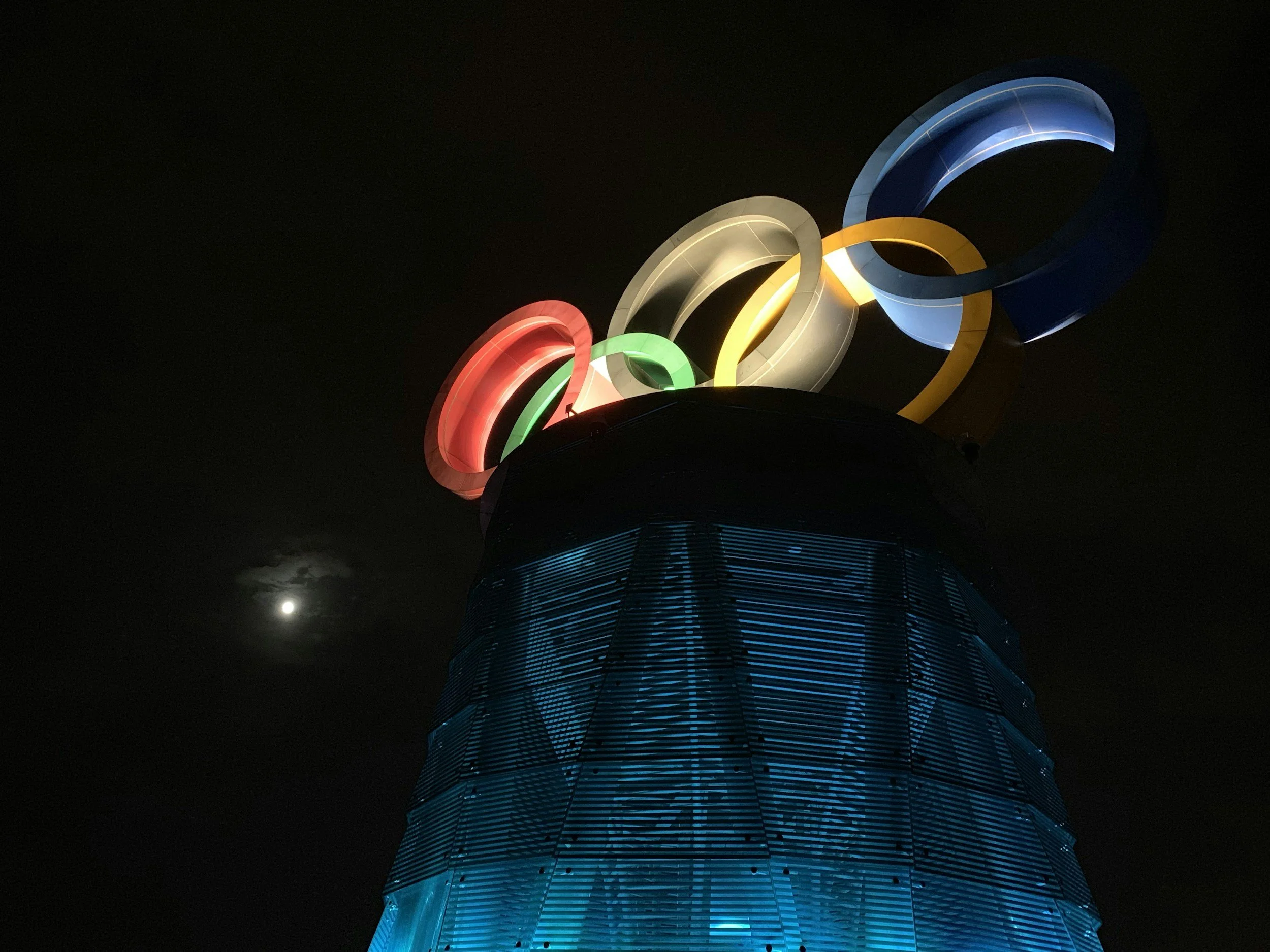
The opening ceremonies of the 2026 Milan-Cortina Winter Olympics hadn’t even ended before the tears started. Not sad tears — the other kind. The kind that sneaks up on you when something beautiful is happening on the screen, and you’re suddenly not watching a television set at all. You’re seven years old again, spinning in circles on a frozen pond in suburban Chicago, arms out, absolutely convinced that one day the whole world would be watching you.
America delivered magic right out of the gate this February. The U.S. women’s team brought home gold, and the men weren’t far behind — our athletes gliding, soaring, and pushing their bodies to limits that defy ordinary imagination. Watching them claim those medals in the crisp Italian Alps, I felt a swell of pride so big it could have filled an arena. And then, right behind the pride, came the memories.
Ice, Snow, and the Suburban Midwest Dream
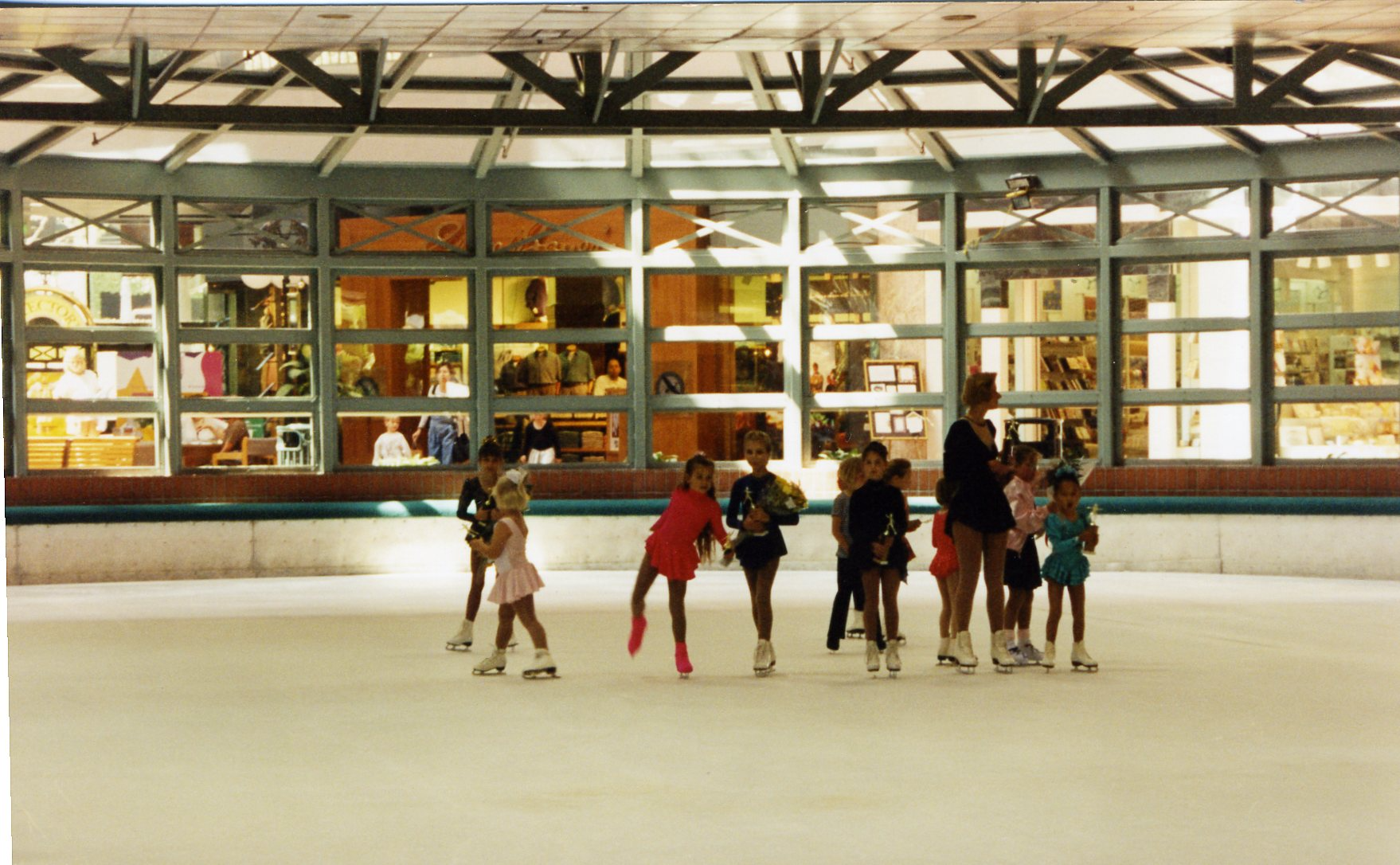
Growing up in a suburb of Chicago in the 1960s, winter wasn’t something you endured. It was something you lived. We didn’t have the rolling birch forests of Wisconsin or the vast frozen lakes of Minnesota, but we had the same bone-cold winters, the same gray skies that turned every Saturday into an invitation, and the same unspoken understanding among kids: if it’s frozen, you’re on it.
The outdoor rinks popped up in parks and church parking lots the moment temperatures held below freezing for more than three days. The Forest Preserve ponds were fair game if the ice was thick enough — and we were not always careful about checking. Sleds came out of garages, hockey sticks appeared from nowhere, and every kid within five blocks materialized outside with scarves wrapped so many times around their faces that only their eyes were visible, blinking in the cold.
We were Midwest winter kids through and through. Same as the families in Duluth or Green Bay, same as the kids lacing up on any frozen surface from Fargo to Fond du Lac. The cold was not a reason to stay inside. The cold was the point.
Tripping Over My Own Feet, and Loving Every Second
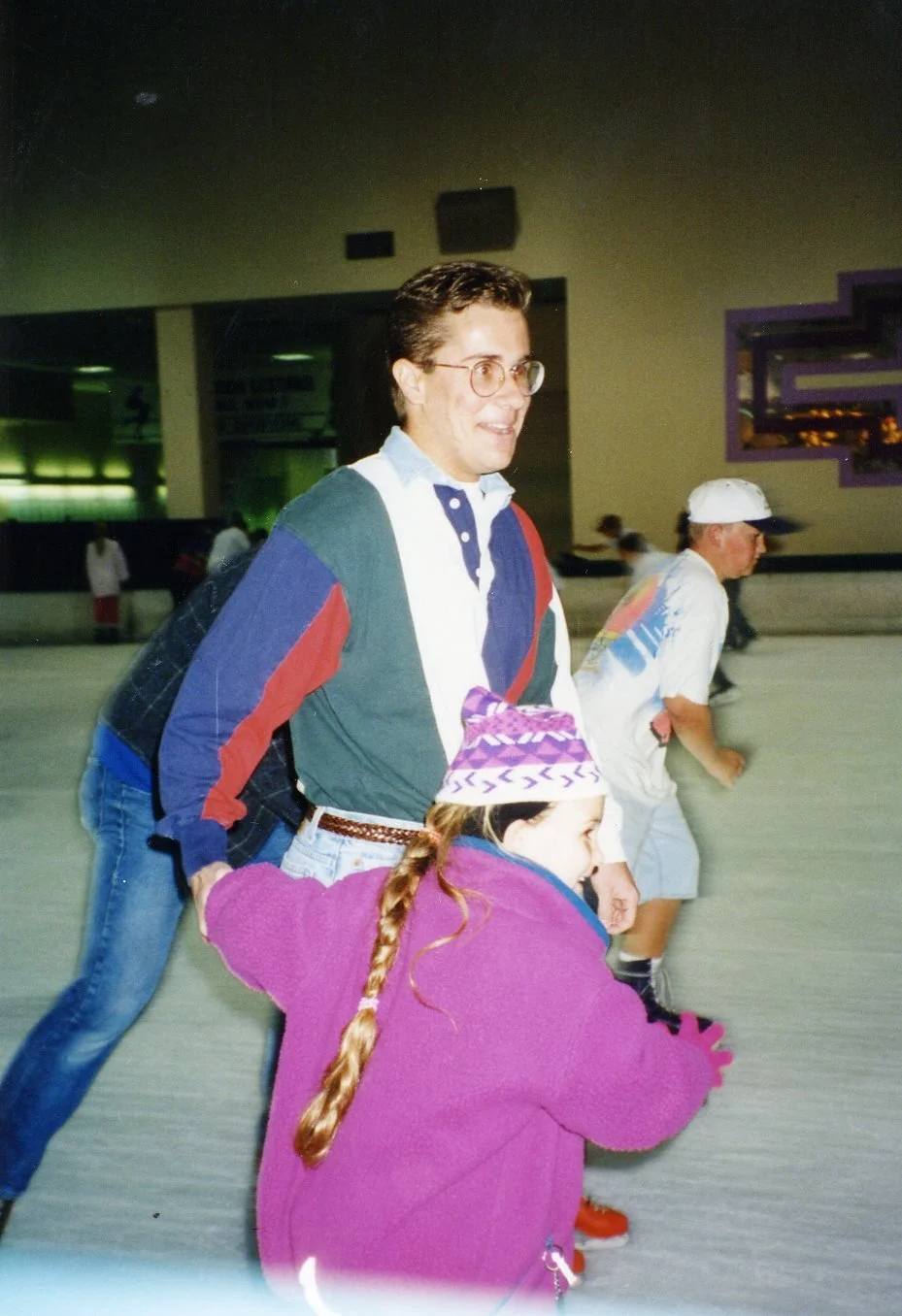
Here is the truth about me and ice skating: I was not good at it. Not even a little.
I had all the confidence of a future Olympian and approximately none of the coordination. My ankles wobbled. I grabbed for railings that weren’t there. I sat down hard on the ice so many times that the back of my snow pants became a kind of personal Zamboni. My friends would glide past in easy, effortless loops while I made careful, determined progress from one side of the rink to the other, arms windmilling, face scrunched in concentration.
None of that mattered to me. Not one bit.
Because in my head — in the very best part of my imagination, the part that belongs only to children and dreamers — I was Peggy Fleming. I was a future gold medalist. I was going to land a spin so perfect that the crowd would go quiet before they erupted. I watched the figure skaters on our little television set and I did not think that’s impossible. I thought that’s next.
That gap between who I was on the ice and who I believed I could become was not discouraging. It was fuel. And I think that’s something worth saying out loud to every kid in our family who is still looking for their thing.
The Team That Didn’t Exist Yet
Here’s the other thing about growing up in the 1960s: if you were a girl who loved hockey, you were mostly out of luck.
I loved the speed of it. I loved the sound of pucks snapping off sticks and the barely-controlled chaos of a rush toward the net. I watched the boys play on the outdoor rinks and I wanted in. Not to be polite about it — I wanted in badly. I wanted to check and be checked. I wanted to fight for position and slam a shot past a goalie who didn’t see it coming.
There were no girls’ teams. There were no leagues, no coaches recruiting girls, no pathway forward. Title IX had just passed, but its ripples hadn’t yet reached the frozen ponds of suburban Chicago. So I watched. I skated in my wobbly way on the open side of the rink. I imagined.
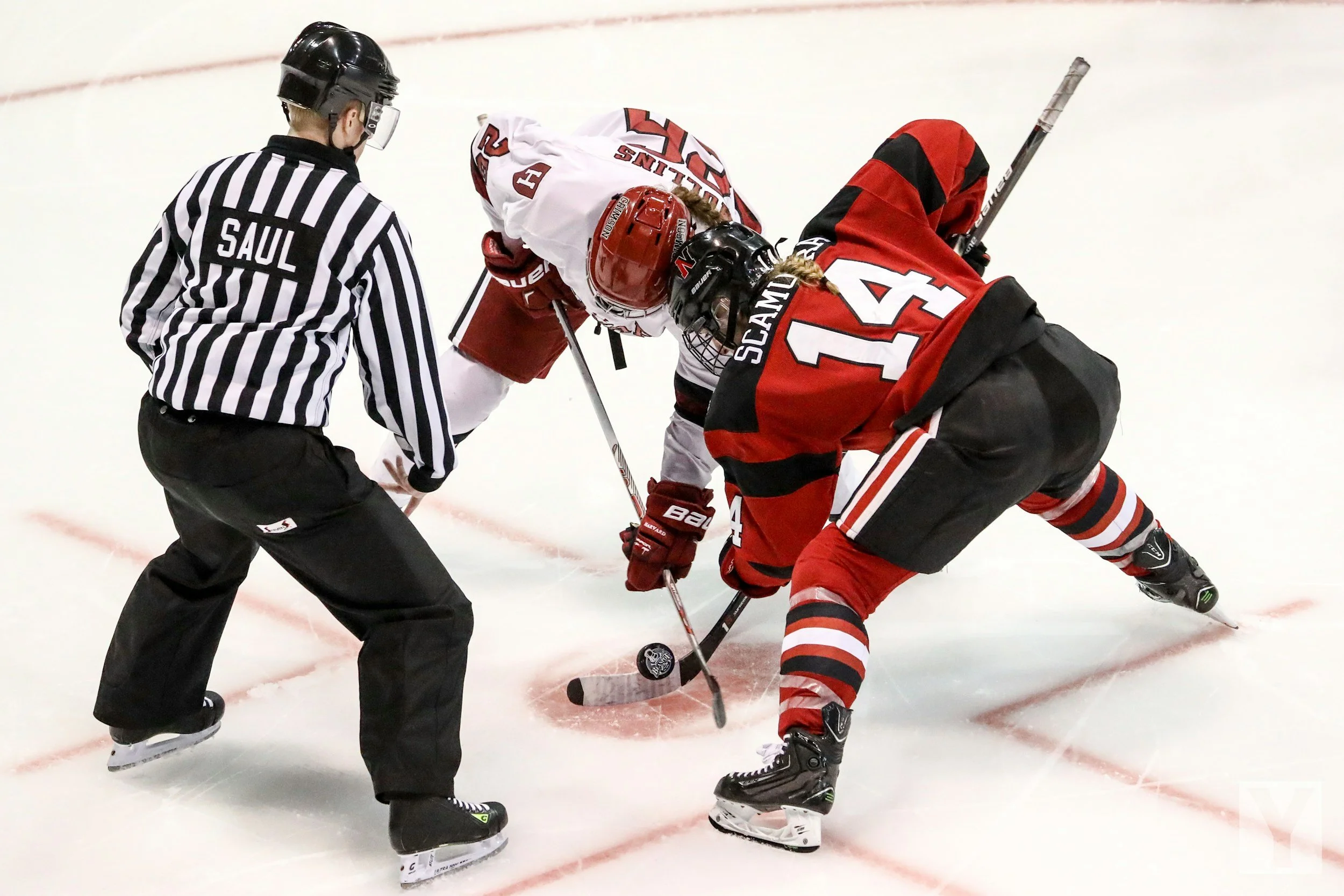
Now I watch the U.S. women’s hockey team — with their speed and their skill and their absolute refusal to be anything less than elite — and I feel something I can only describe as retroactive joy. They exist. They are here. They won gold. And somewhere, right now, there is a seven-year-old girl watching them think: that’s next.
A Letter to the Grandkids: Try, Fail, Find Your Thing
So here is what I want to say to all of you — remember your early dreams. Every grandchild whether they are 3 or 30, are still figuring it out.
Try things. Try everything, really. Try the thing you think you’ll be terrible at, because sometimes you’ll surprise yourself, and sometimes you’ll fall flat on the ice, and both of those outcomes are completely fine. The falling is not the failure. The failure is never trying at all.
I was not going to be an Olympic figure skater. I understand that now. I also never made a hockey team that didn’t exist. But trying those things — even badly, even briefly, even in my imagination — built something in me. It built the knowledge that I could want something hard. That I could look at someone doing the impossible and think why not me? That voice matters. That voice will take you places.
Find the thing that makes you feel that way. Not the thing your parents think is practical, not the thing your friends are doing, not the thing that seems safe and achievable. Find the thing that makes you a little breathless when you think about it. The thing you’re not sure you’re good enough for. That thing. That’s where you go.
And then go for the gold.
Not a medal necessarily — though maybe, who knows, anything is possible and we’ve seen that proved again and again in Milan this month. Go for your gold. The version of excellence that belongs to you and nobody else. The Saturday morning when everything clicks and you think yes, this, this is it. Chase that.
What Grandparents Are For
I’ll tell you a secret about grandparents. We have watched enough of life go by to know that the path you think you’re on is almost never the path you end up taking — and that the detours are often the best parts. We have failed at things we loved and loved things we failed at. We have reinvented ourselves more times than we can count.
What we can offer you is this: we will never tell you a dream is too big. We will never look at your face lit up with some wild ambition and pump the brakes. We will drive you to the rink at six in the morning and sit in cold bleachers, eating bad coffee from a vending machine and cheering like you’re already wearing gold.
We will keep the dream alive. That’s our job. That’s the whole job.
The Milan Olympics reminded me of all of this. Every athlete on that ice or mountain or halfpipe had someone in their corner — a parent, a grandparent, a coach, a neighbor — who looked at them when they were small and falling down and said: keep going. Those words are worth more than we know.
So to every kid in our family: I am in your corner. Whatever the dream is — skating, hockey, music, science, cooking, building, writing, anything — I am sitting in those cold bleachers with my terrible vending machine coffee, and I am cheering.
So go for the gold. We’ll be watching.
If you’d like to keep in touch and see the stories we write for families like yours, you can find our CJ Corki books and updates here: cjcorki.com.