Charm School: Are Manners Still Relevant?
What is Charm school, and what does it teach? Sometimes called Finishing schools, these programs focused on teaching social graces. In the 1800s, these schools were established to train young women to become polished, accomplished wives and socialites. In other words, we are preparing them for marriage.
In Chicago circa 1946, Patricia Stevens Finishing School was established as a charm and modeling school. Its charge was to indoctrinate young women on the importance of personal appearance and proper behavior. Side note, Did You Know? that Howard Hughes hired Patricia Stevens to train their flight attendants at TWA (Transworld Airlines)?
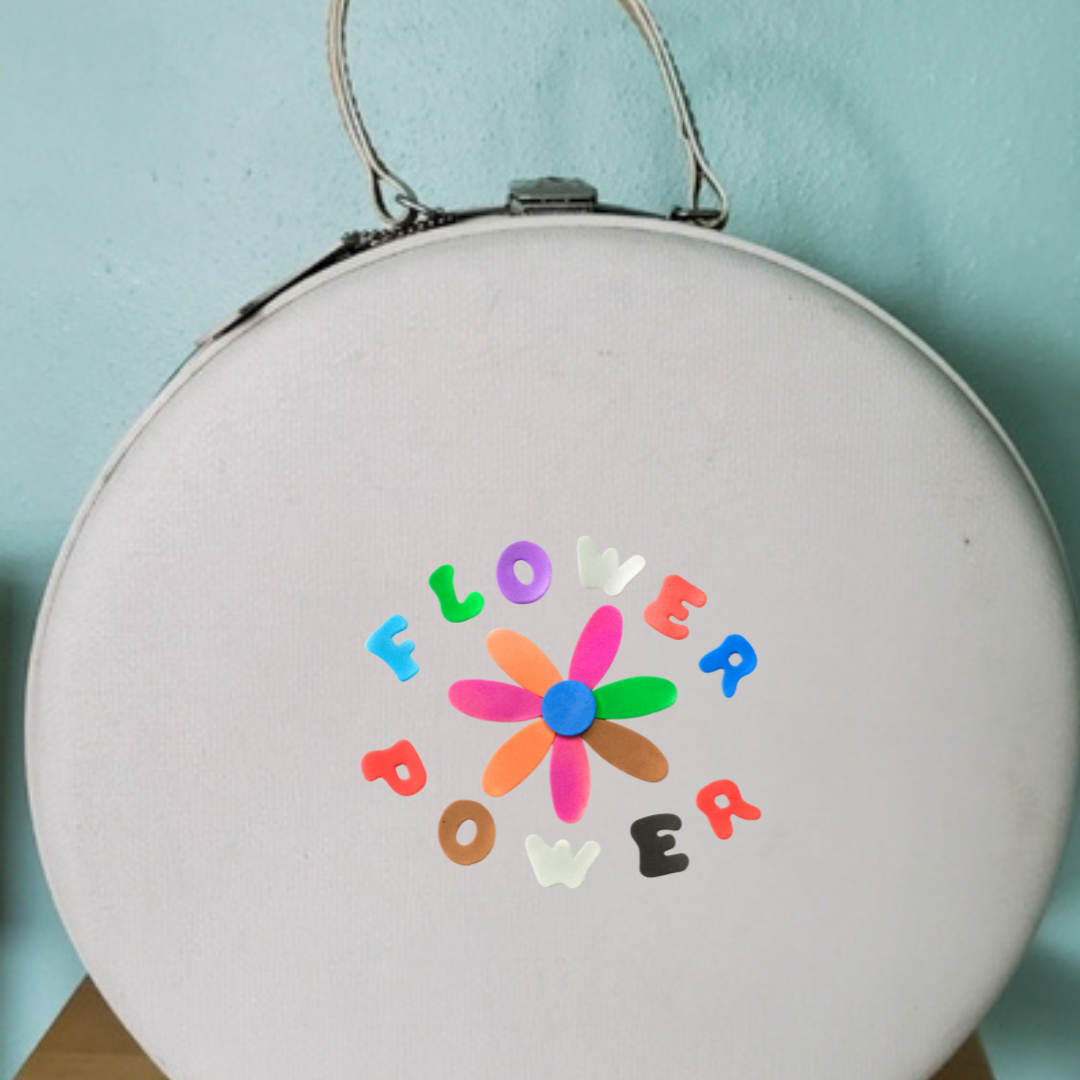
Growing up in Chicago, I vividly remember my four older sisters attending Patricia Stevens. They had a circular suitcase adorned with flower power stickers. Although I wasn’t aware of the contents, I envied their glamor lessons and fashion show catwalks.
But as I approached adolescence, perceptions of women's role in society changed. Focus on academics and professional pursuits for women, along with bra burning, became the trend. Coincidently, societal changes occurred when my sisters were off to college. So, I wasn’t privileged to have a fancy charm school experience.
My oldest sister attended St. Mary’s College, a women’s school with a co-exchange program to Notre Dame. Mistakenly, people sometimes refer to women’s colleges as finishing schools. But elite schools didn’t allow women as students directly until 1971. As a chemistry major, my sister would be severely offended by such a remark regarding it as a finishing school.
And I attended an all-girls high school in the late 1970s, which also migrated to a co-ed institution in 1988. Although its mission is to impact society positively, they were considered a college prep institution, not a charm school. But looking back, our skirts were supposed to touch the ground when we knelt, clog-type shoes were considered out of uniform code, and jackets and solid-colored long sleeves shirts were required. Swearing was not an option, nor was talking back to a nun. It sounds a little like Patricia Steven’s focus on “the importance of personal appearance and proper behavior.”
In today’s society, Charm schools might be scarce, but manners are still important. Since my parents, sisters, and high school gave me solid ground on manners, I was prepared to act appropriately when I became an adult. Good manners, courtesy, and etiquette are the building blocks of a healthy society.
Fast forward to my experience raising children. Instilling good manners became difficult with three rambunctious, rowdy boys. Burping, farting, and eating with your mouth open were everyday mealtime activities. Teaching the magic words “thank you” and “please” seemed to the extent of their gentile skills. Trying to keep them in their seat for more than five minutes was a constant challenge. Where are the charm schools for boys?
Actually, I did find one. It was a class similar to Queen City Etiquette. The boys went to a school for six weeks learning the basics of manners through the etiquette of five-star dining. So fast forward to this new era; Finishing schools aren’t around, and even Queen City Etiquette has their children’s classes on hold. So where does this generation learn manners?
As grandparents, we can encourage proper behavior through various activities. When grandkids visit, stage an afternoon tea. Yes, girls and boys alike enjoy teatime with pretend food and drink. My mother-in-law treated our boys to tea with a miniature China set. They were much more inclined to be on their best behavior for their grandma.
Spending time with grandparents is integral to a kid’s education. Showing respect for their elders is essential to have good manners. And what better people to learn compassion from than a grandparents’ wisdom and patience?
There are also printed materials and activities to teach manners. If you are looking for more resources, follow us at cjcorki.com. Now is your opportunity to impact your grandchild’s world by opening their minds to a kinder, gentler time with good manners. Thank you for reading.