1949, 1984, and Now: A Grandparent's Guide to Navigating Artificial Intelligence

Take a step with me into the world of whimsical wonder, and let's suspend disbelief for just a moment.
Imagine this: a scenario where time travelers aren't clad in sleek metallic suits or zipping through portals with a dramatic whoosh. Instead, picture a middle-aged man in an obscure corner of time, where he peers into a bubbling cauldron of history.
Seventy-five years ago, one of these mystic portals opened, and out popped George Orwell with his dystopian novel, "1984." In writing "1984," Orwell sought to provide a chilling warning about the dangers of unchecked government power, surveillance, and propaganda. If you peeked into the "Cliff Notes," it won't tell you that Orwell was 45 years old and was intrigued by the rapid advancements in technology and mass media during the mid-20th century, particularly the rise of television and radio broadcasting. He foresaw the potential for these technologies to be used for propaganda and psychological manipulation. Hmmm, is this debate happening today?
But I digress…
So, back to Orwell. He was influenced by another portal jumper, Aldous Huxley, who penned "Brave New World," which provided thought-provoking questions about the nature of happiness, freedom, and the role of technology in society.
Does any of these issues sound familiar today?
As our world expands into the reality of the past stories, it's our job as grandparents to be vigilant against the liberal definition of truth with the vast expansion of Artificial Intelligence (AI). Yes, AI is here; it has quickly gone from specific business verticals like UPS and Amazon to the chat function of credit cards. It has now moved mainstream in the blink of an eye. It's our job to share the cautionary tale with our grandkids about the dangers of believing everything they see, hear, and learn from technology. Not taking AI as the total truth is crucial. Teaching them critical thinking skills is more important than ever. They must take the baton to defend freedom and truth, not one version of truth…or freedom and not AIs version.
This last week, I had the honor of working with some Gen X and Gen Z business associates engaged in a robust debate about the ethics of AI. How can we harness and expand its uses while considering all our personal and cultural differences? A scary thought: harness and expand. Someone made a profound but straightforward statement that Microsoft's AI app is named "Copilot," not designed to make the final decisions but rather to provide options with the final decision with us. Albeit copilot.
Grandparents can play a valuable role in helping their grandchildren understand AI usage by engaging in educational and interactive activities. Obviously, these discussions are age-specific, but if you think pre-teen, you are already too late. Here are some suggestions:
Open Discussions
Initiate conversations about AI and its applications in everyday life. Discuss its benefits, risks, and ethical considerations in a way that is understandable and relatable to the grandchildren's interests and experiences.
Explore AI Together
Explore AI technologies together. They probably already know Siri or Alexa. Show them how these technologies work and how they can be helpful in various tasks.
Encourage Critical Thinking
If we leave them with nothing else, let's teach them to "ask the why" and continually question the source, the information, the algorithms, and the recommendations.
Hands-On Projects
Do something together related to AI, such as programming, robotics, or even the cartooning function. These activities can make AI concepts more tangible and engaging and allow an opportunity to discuss the story behind the story.
Read Books and Watch Videos
Books are still a powerful learning tool. Explore age-appropriate books, videos, and documentaries about AI together. Look for resources that explain AI concepts clearly and engagingly, fostering curiosity and understanding. Stay tuned; this might be a CJ Corki book in the making.
Promote Digital Literacy
Help grandchildren develop digital literacy skills, including online safety, privacy awareness, and responsible use of technology. Teach them about data protection and the importance of safeguarding personal information in the digital age. (With total transparency, this point came from ChatGPT.)
By taking an active interest in AI and engaging our grandchildren in meaningful discussions and activities, we can help foster curiosity, critical thinking, and digital literacy skills that are essential for navigating an increasingly AI-driven world. 1984 is here, and our grandkids will be in this world as adults.
Remember, today's AI is already among us: surveillance cameras, facial recognition systems, and data analytics are already used to monitor individuals and populations. These systems are often used for security, marketing analytics, and social media monitoring.
If we were to compare today and "1984," here are a few things that you might already notice.
Social media platforms and content providers use today's AI algorithms to filter and censor information, sometimes leading to concerns about bias and manipulation.
In "1984," The government controls all information and exercises complete censorship over media and communication channels, altering historical records and suppressing dissenting opinions.
Today's AI-driven recommendation systems and targeted advertising algorithms are designed to influence human behavior and preferences based on data analysis.
In "1984" the government used propaganda and psychological manipulation to maintain control over the population, shaping public opinion and eliminating dissent.
In today's AI, there are ongoing debates about its ethical implications, including concerns about bias, discrimination, and the erosion of individual autonomy.
In "1984," the dystopian society depicted illustrates the extreme consequences of unchecked government power and the loss of individual freedom and autonomy.
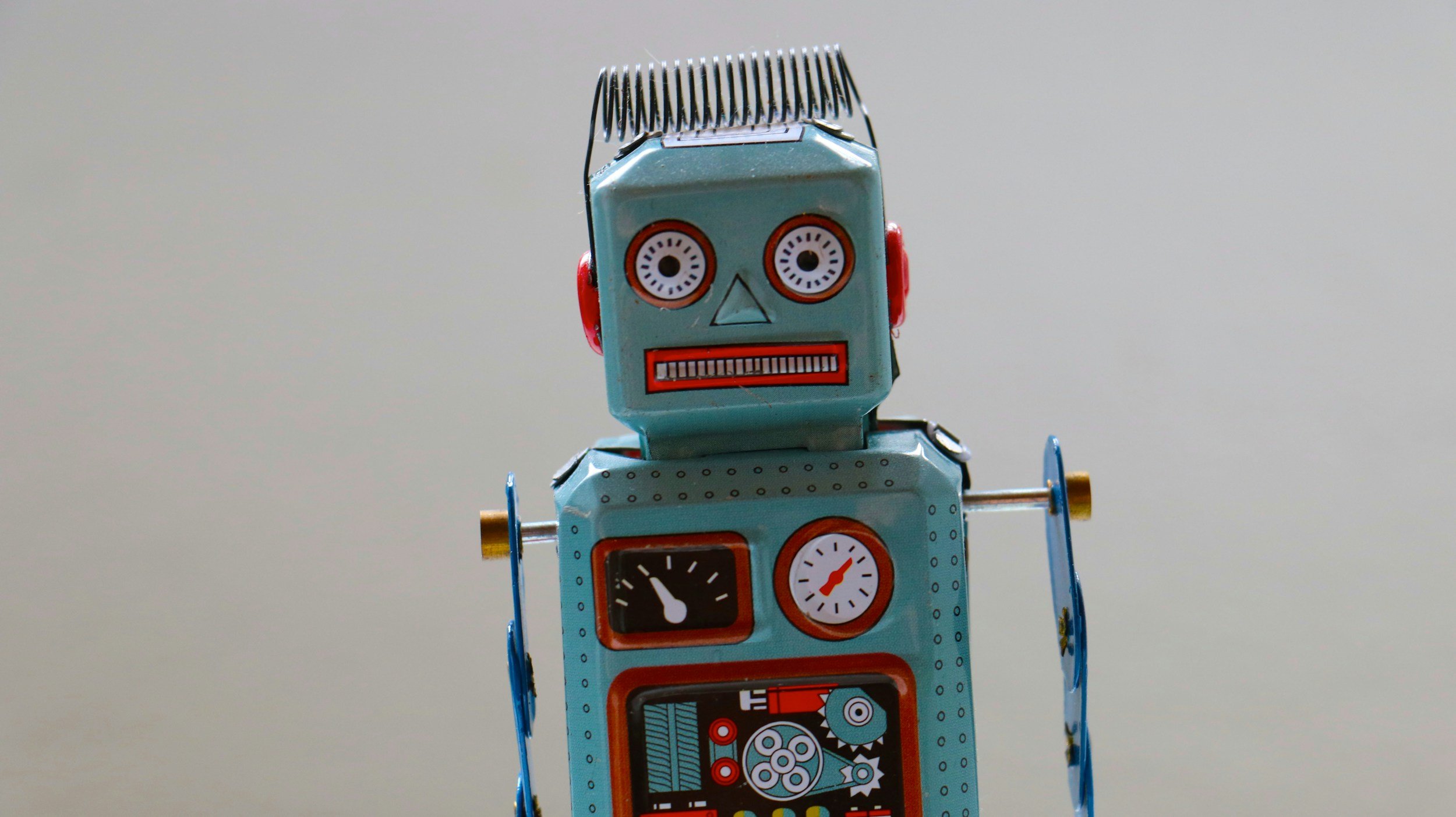
I know this is heady stuff, but in summary, while the AI technologies of today may share some similarities with the surveillance and control mechanisms depicted in "1984," the level of government intrusion and oppression portrayed in the movie remains a fictional extreme. That being said, "1984" serves as a caution about the potential dangers of unchecked surveillance, data spin, and manipulation in society, urging us to consider the ethical implications of AI and the importance of safeguarding individual privacy and autonomy.
We don't just predict the future; we own what the future will look like through our actions, innovations, and determination. So, let us embark on this journey where the past whispers secrets of the future, not through high-tech gadgets or cosmic riddles, but through the curious art of observation and intuition.
So, grab your imagination and join me in pondering the perplexing notion: can someone from the past truly predict the future, or are they merely peering through an open portal of time's endless tapestry?