What If the Smartest Thing We Feed Kids Is a Book?
Everyone is talking about what to feed our children these days.
Protein-packed breakfasts. Beet brownies. Chia pudding. Veggie Muffins. Smoothies with hidden spinach. Less sugar. Gut health. Vitamins…blah, blah, blah.
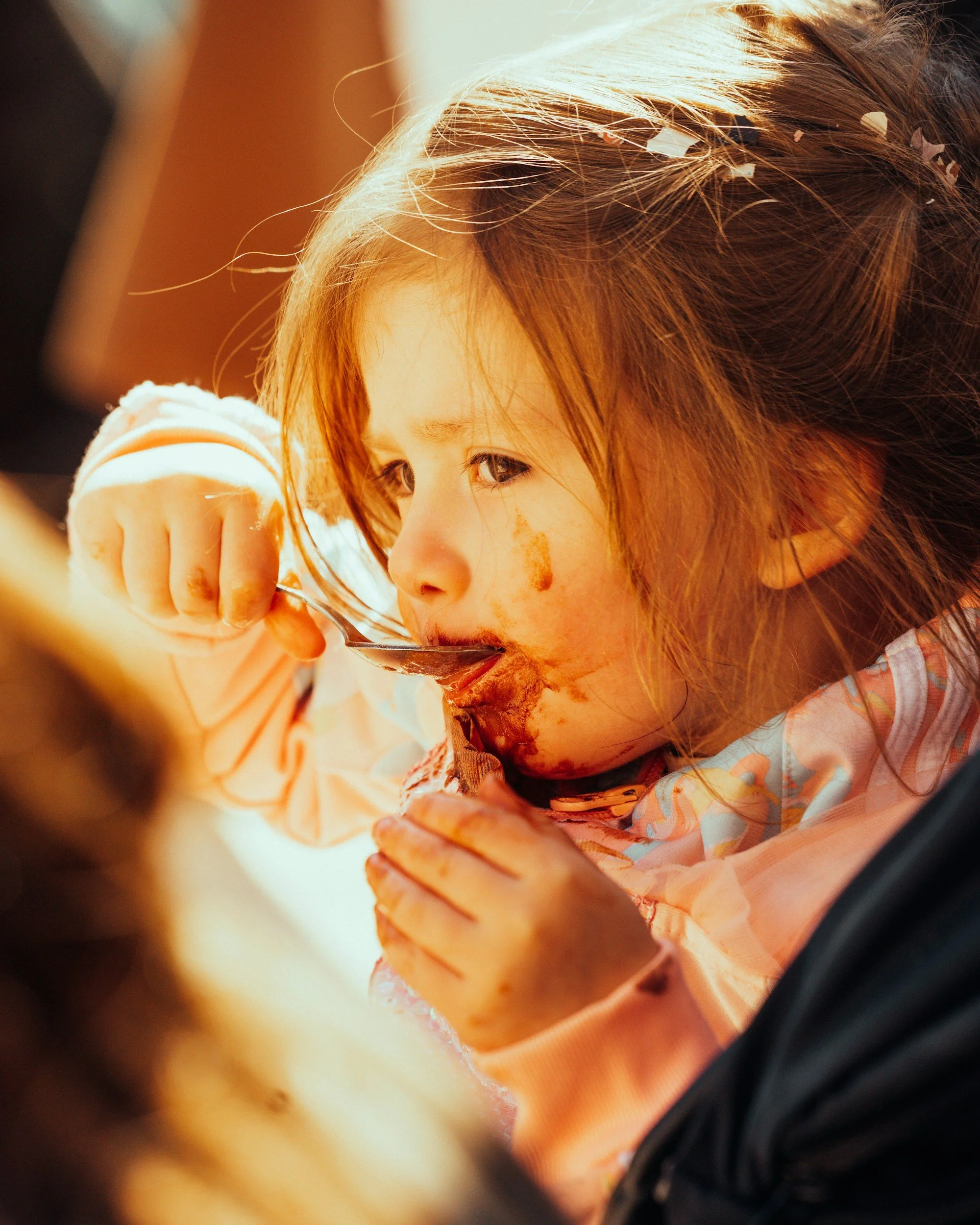
As a grandma, I keep wondering: Are we feeding children’s brains as well as we feed their bodies?
Let me ask you, what if the smartest thing we feed kids isn’t on their plate at all? What if it is a book?
As grandparents, we have a unique perspective on trends. We have lived long enough to see one “must-do” after another come and go. We have watched parenting advice change, then change again. I remember my mom poring over the book, The Common Sense Book of Baby and Child Care (1946) by Dr. Spock (not of Star Trek fame).
And while some new ideas are helpful, children’s deepest needs have stayed remarkably the same.
They need love.
They need attention.
They need language.
They need imagination.
They need to feel safe, seen, and connected.
Books give them all of that.
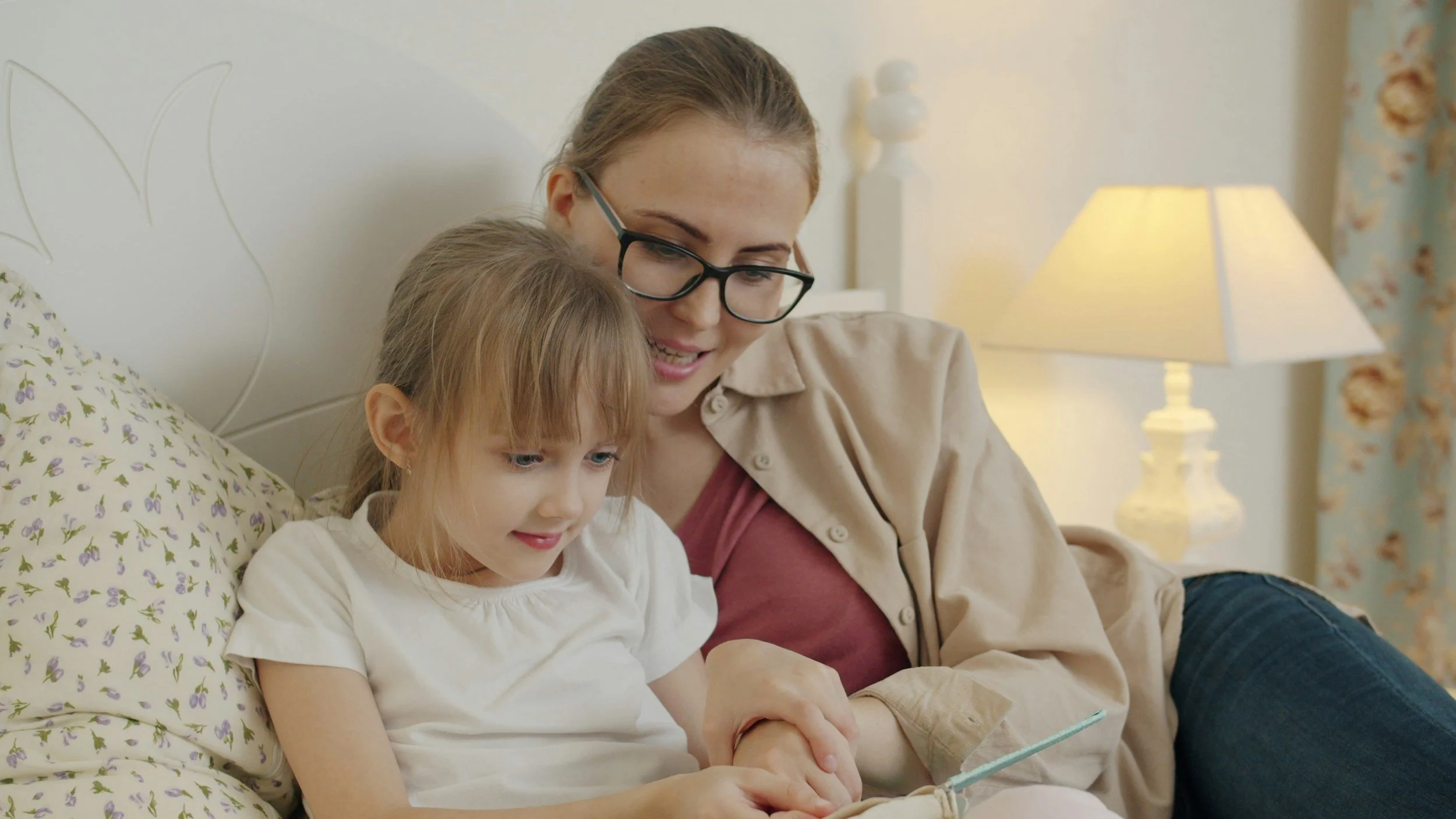
When you read with a child, you are doing much more than filling a few quiet minutes in the day. You are building vocabulary. You are strengthening listening skills. You are helping them hear the rhythm of language. You are introducing them to ideas, feelings, animals, places, patterns, humor, and wonder. You are helping their brains make connections between words and meaning, pictures and story, curiosity and learning.
Long before a child can read independently, books are already shaping the way that child learns.
And the beautiful part is this: to a child, it does not feel like work.
It feels like closeness.
It feels like comfort.
It feels like fun.
That may be one of the greatest gifts reading offers. So much important learning happens inside a warm, shared moment. I still smile when my grandkids snuggle beside me with a favorite book. It may look like a simple scene, but beneath that quiet moment, something powerful is happening. Language is growing. Attention is strengthening. Curiosity is expanding. Emotional security is deepening.
That is real wellness.
I know, we do not always think of reading as part of a child’s wellness routine, but maybe we should. In a world that is fast, noisy, and full of distractions, reading gives children something they deeply need. It slows them down. It invites them to focus. It gives them a chance to wonder. It helps them practice listening and noticing. It creates a pocket of calm and connection in a day that can otherwise feel rushed and overstimulating.
Books also help children make sense of their world.
A story can introduce them to friendship, family, animals, emotions, numbers, colors, surprises, or places they have never seen. It can help them laugh. It can help them calm down. It can help them understand something unfamiliar. Sometimes a book even gives a child words for feelings they have had but could not yet explain.
That matters more than we sometimes realize.
I think one of the mistakes we make in early childhood is assuming that preparing children for the future has to be complicated. We start to believe that school readiness requires expensive tools, elaborate systems, or the newest educational trend. But often, the most powerful things happen in the simplest moments.
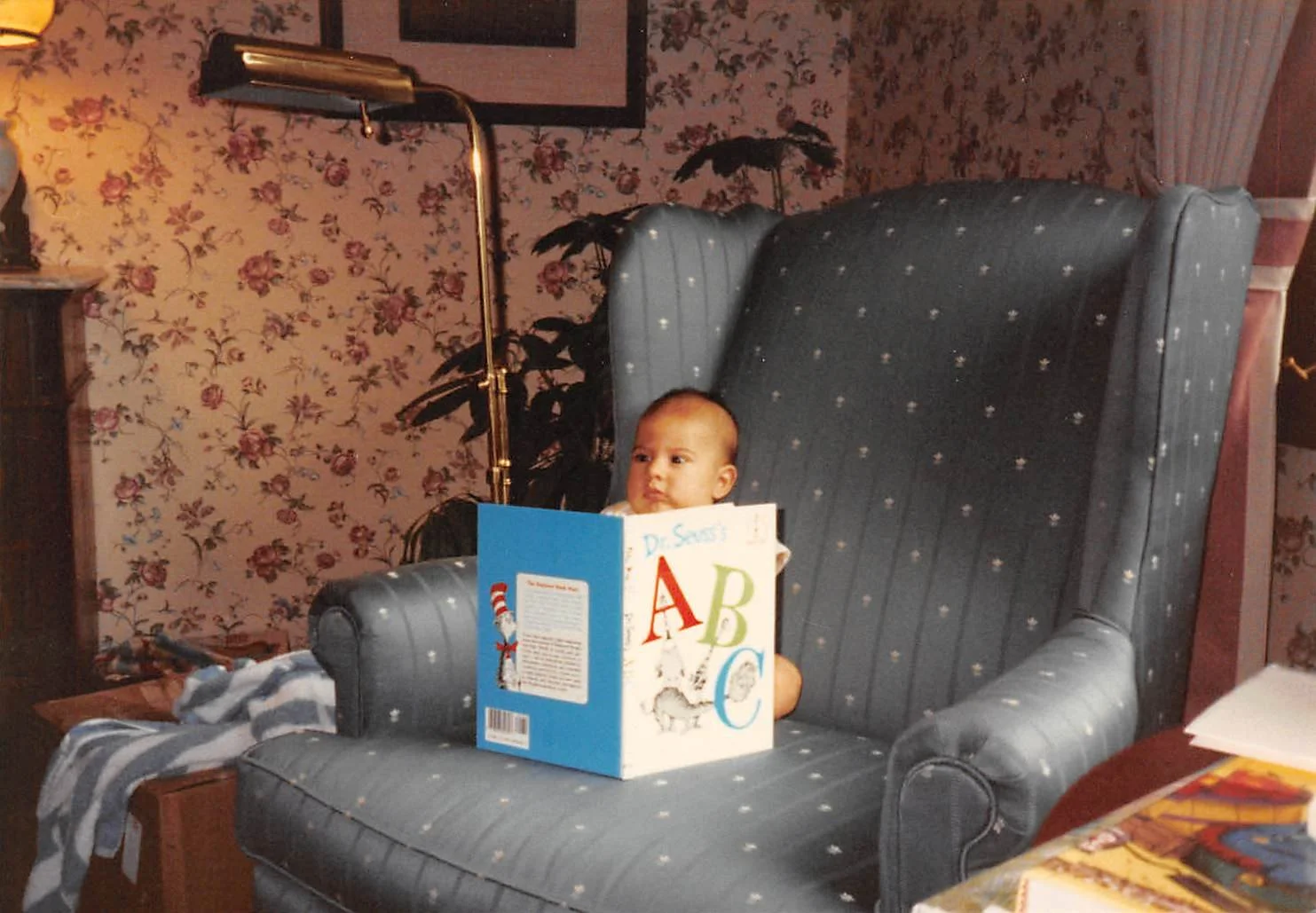
Sit down.
Open a book.
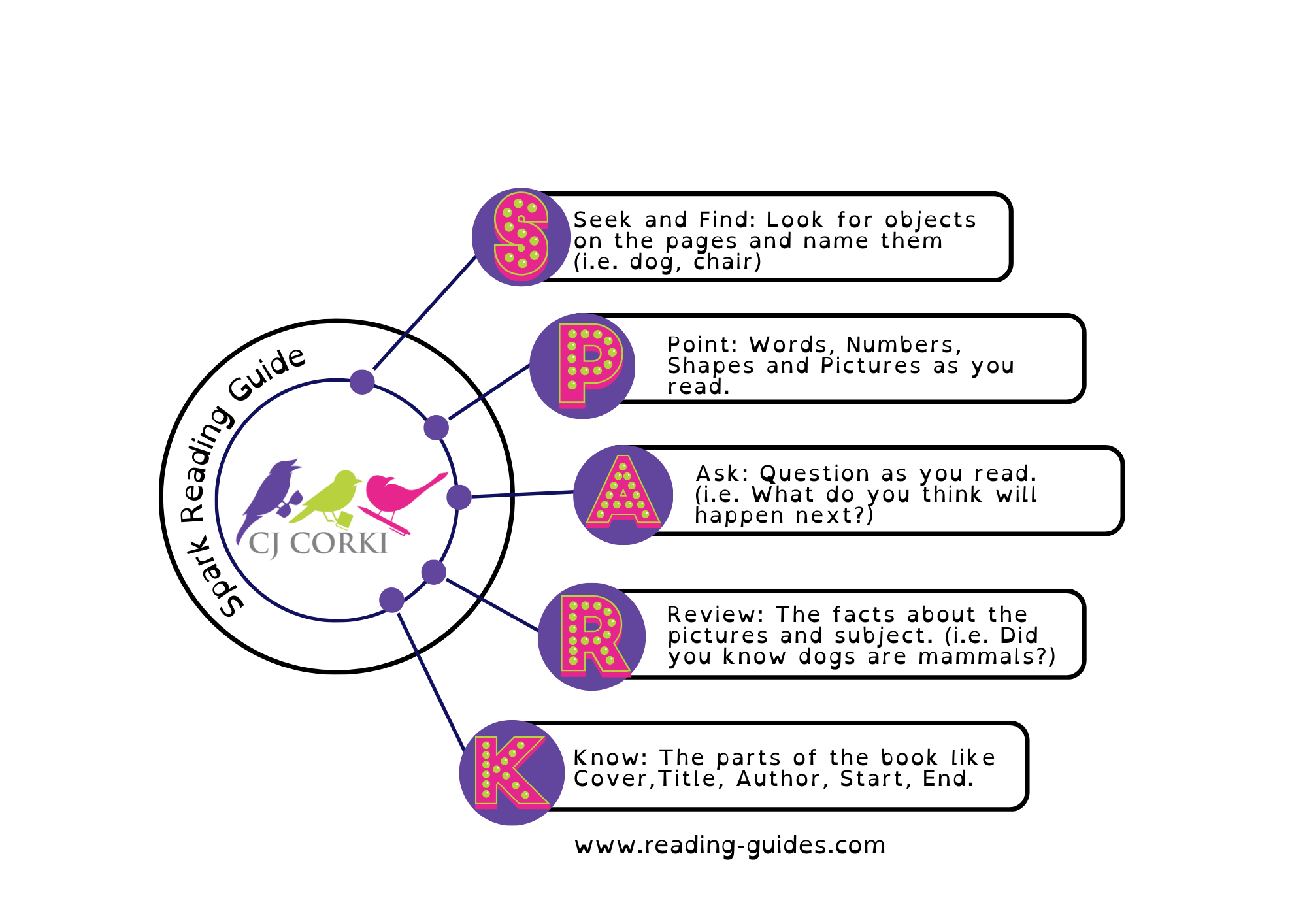
Read the title.
Point to the pictures.
Ask what they notice.
Let them interrupt.
Let them guess.
Let them laugh.
Let them turn the page too soon.
That is not “just reading.”
That is brain-building.
And from a grandmother’s perspective, it is also heart-building.
Books teach children more than words. They teach children that questions are welcome. They teach them that stories have beginnings, middles, and endings. They teach them that ideas matter. They teach them that paying attention matters. They teach them that learning can feel joyful, cozy, and shared.
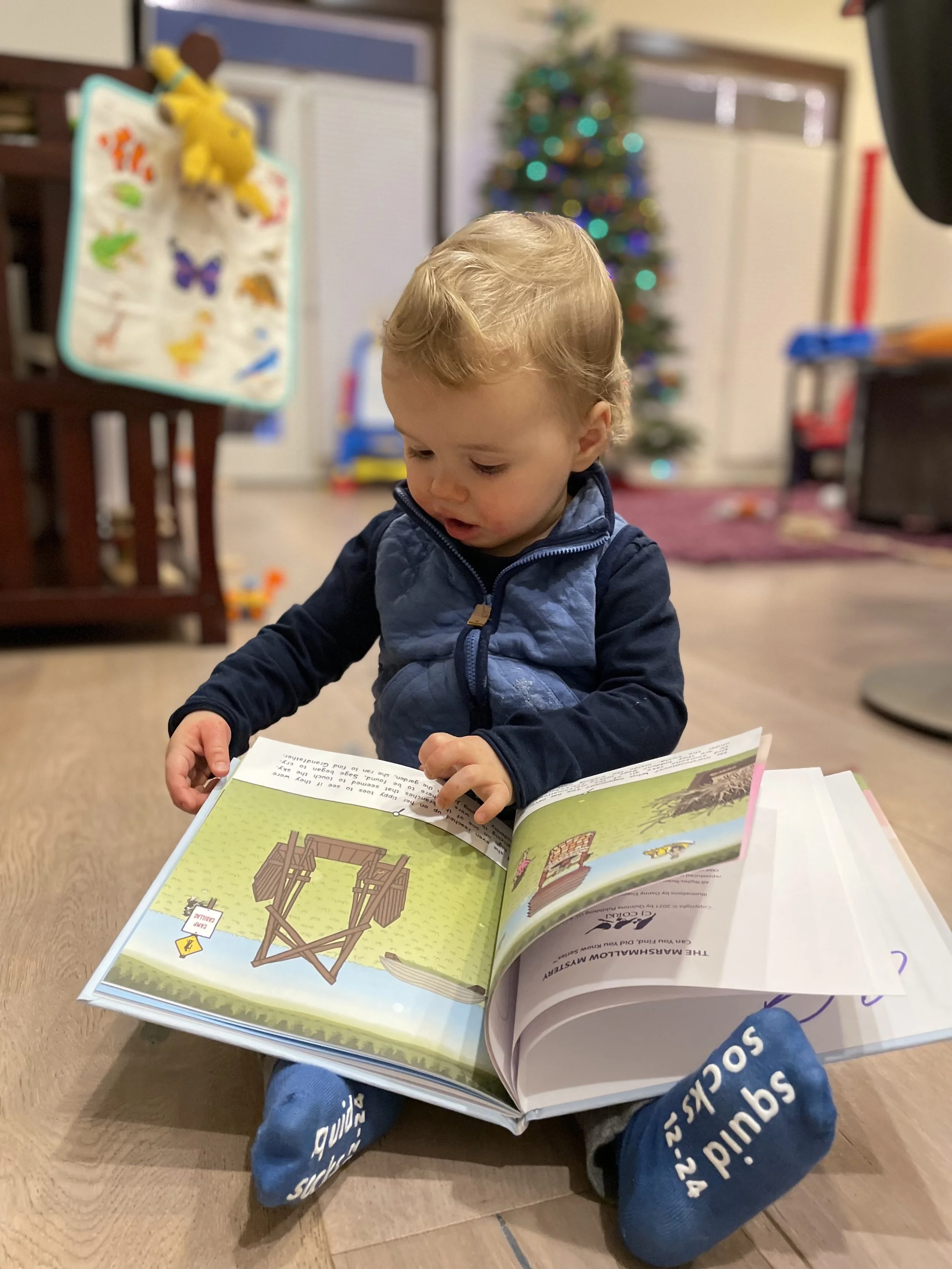
That is a powerful foundation for life and for school.
A child who has been read to regularly is not just hearing stories. That child is building background knowledge. That child is hearing sentence structure. That child is growing a vocabulary. That child is learning to sit with a story, follow a sequence, and anticipate what comes next. Those little moments add up. They help prepare children for learning in ways that feel natural and loving instead of forced.
And here is the good news for grandparents: you do not need to be a teacher to make a difference.
You do not need a perfect reading voice.
You do not need a giant library.
You do not need a color-coded plan.
You do not need hours of extra time.
You just need to show up.
Ten minutes matter. One book matters. A repeated routine matters.
Children do not need perfection. They need consistency. They need to know that books belong in everyday life. They need grown-ups who treat reading as something special, not something assigned. They need someone willing to say, “Come here. Let’s read together.”
As a grandmother, I believe becoming part of a child’s reading life is one of the wisest and most meaningful things we can do. Bring a book when you visit. Keep one in the car. Read before nap time. Read after lunch. Read while dinner is cooking. Read the favorite one for the hundredth time.
All of it counts.
And if you are looking for a playful way to make reading part of a child’s daily “brain food,” choose books that invite children to do more than just listen. Choose books that help them notice, wonder, point, laugh, and learn. That is one reason I love interactive stories like The Marshmallow Mystery. It gives children a chance to look closer, stay curious, and enjoy the kind of read-aloud experience that feeds growing minds while keeping the joy front and center. You can find it here: CJCorki.com.
So yes, let’s keep caring about healthy snacks, fresh air, sleep, and movement. Those things do matter.
Let’s not overlook one of the most powerful wellness habits of all: hand a child a book, sit beside them, and read slowly, often, and like it matters, because it does.
Years from now, they may not remember every snack they ate or every wellness trend that went viral. But they may remember the sound of your voice reading their favorite story. They may remember laughing at the same page every single time. They may remember that reading with you felt warm, safe, and happy.
And that kind of nourishment stays with a child for life.