SPARK Your Baby's Love for Reading: Essential Tips for Infants (Birth to 6 Months)

Nurturing early reading skills in infants begins with establishing a warm, consistent environment and selecting age-appropriate, visually engaging books. Here's a guide to fostering a love for reading in your newborn and a list of delightful books to introduce at this early stage.
1. Setting Up a Calm and Consistent Reading Environment
Find a quiet, cozy spot where you can hold your baby close.
Maintain a peaceful atmosphere to help your baby feel secure and focused.
Make reading a part of your daily routine, as consistency builds familiarity and comfort.
2. Using Tone and Expression
Use a gentle, expressive tone to capture your baby's attention and convey emotions in the story.
Vary the tone, rhythm, and volume of your voice to keep them engaged.
3. Observing and Responding to Reactions
Notice how your baby’s eyes follow pictures or respond to different sounds.
Acknowledge their responses by smiling, making eye contact, and talking about what they see, which enhances their cognitive engagement.
4. Incorporating Tactile Books
Choose books that offer textures, flaps, or mirrors to stimulate their sense of touch.
Let them reach out to touch the pages, encouraging sensory exploration.
5. Pointing Out and Naming Objects
As you read, point to and name objects in the pictures, even if they’re simple items.
Narrating and labeling images fosters language recognition and helps them make connections between words and visuals.
6. The Importance of Repetition
Re-read favorite books to reinforce familiarity, as infants learn through repeated exposure.
Repetition also strengthens their memory and understanding, making each reading session feel more familiar and enjoyable.
7. Engaging with Facial Expressions and Gestures
Use playful expressions and gestures to animate the stories.
Infants love to observe facial expressions, helping them recognize emotions and tones, laying a foundation for social skills.
Key Developmental Milestones from Birth to Six Months
During this timeframe, infants begin to show interest in books by looking at images and attempting to grasp them. They respond visually to prints and pictures, particularly those with high contrast. They display an affinity for faces and large images, which aligns with their visual and cognitive growth.
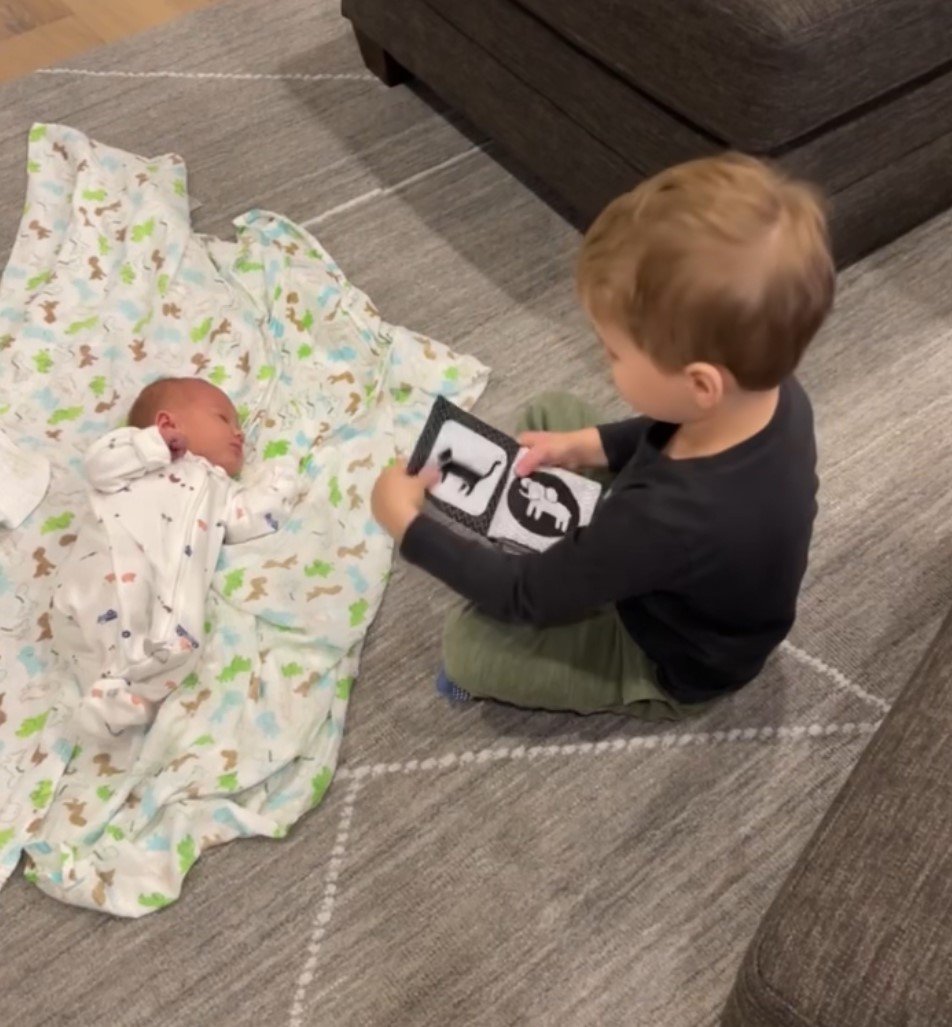
Recommended Books for Infants from Birth to Six Months
1. "I Love You to the Moon and Back" by Amelia Hepworth
Description: Beautiful illustrations with a soothing storyline, perfect for bedtime reading.
Benefits: Promotes emotional bonding through a heartfelt narrative.
2. "The Wonderful Things You Will Be" by Emily Winfield Martin
Description: Uplifting text with vibrant, engaging visuals.
Benefits: Introduces infants to the concept of dreams and possibilities in an accessible way.
3. "Little You" by Richard Van Camp and Julie Flett
Description: Celebrate the unique bond between parents and children with evocative artwork.
Benefits: Supports early emotional development with comforting language and visuals.
4. "When the World Was Waiting for You" by Gillian Shields
Description: Illustrates the excitement of welcoming a new baby.
Benefits: Reinforces the sense of belonging and being loved.
5. Classics for Every Infant

"Love You Forever" by Robert Munsch - A timeless narrative about parental love that appeals to babies and parents alike.
6. Playful and Affectionate Reads
"Guess How Much I Love You" by Sam McBratney - Features a sweet story about expressing love.
"You Made Me a Mother" by Laurenne Sala - A touching book that reflects the joy and depth of motherhood.
Final Tips for a Successful Reading Routine
Read Daily: Make reading part of the daily routine to build a habit.
Encourage Interaction: Let your baby touch, hold, and even chew on the books to explore with all senses.
Keep It Short and Sweet: Attention spans are short, so 5-10 minutes per session is ideal.
Conclusion
Incorporating reading into your infant’s daily routine from birth to six months creates a foundation for lifelong learning and bonding. These early interactions stimulate cognitive and sensory development and nurture emotional security and curiosity. By choosing engaging, age-appropriate books and creating a cozy, interactive reading environment, you’re fostering a love for stories that will grow with them over time. Through simple routines, gentle tones, and shared moments, each reading session becomes a cherished opportunity to connect, making books a source of joy, comfort, and discovery as they grow.