As a mom with two dyslexic adult children, I wish I had known which reading milestones to look for before they started kindergarten. It would have spared my children so much heartache over their reading challenges. Now that I'm in the grandparenting stage, I hope to encourage other grandparents to be attentive to their grandchildren’s literacy development. With more knowledge and without the lenses of parents' rose-colored glasses, maybe we can identify more children with dyslexia. Here is my story.
My Story
I was an attentive parent who read everything about milestones from birth through kindergarten. My oldest reached each stage months early: he crawled, walked, and talked ahead of schedule. By two, he knew over 300 words, including “Tyrannosaurus Rex” and “Brontosaurus,” and pronounced them clearly. He would “read” The Polar Express, which he knew by heart after countless readings.
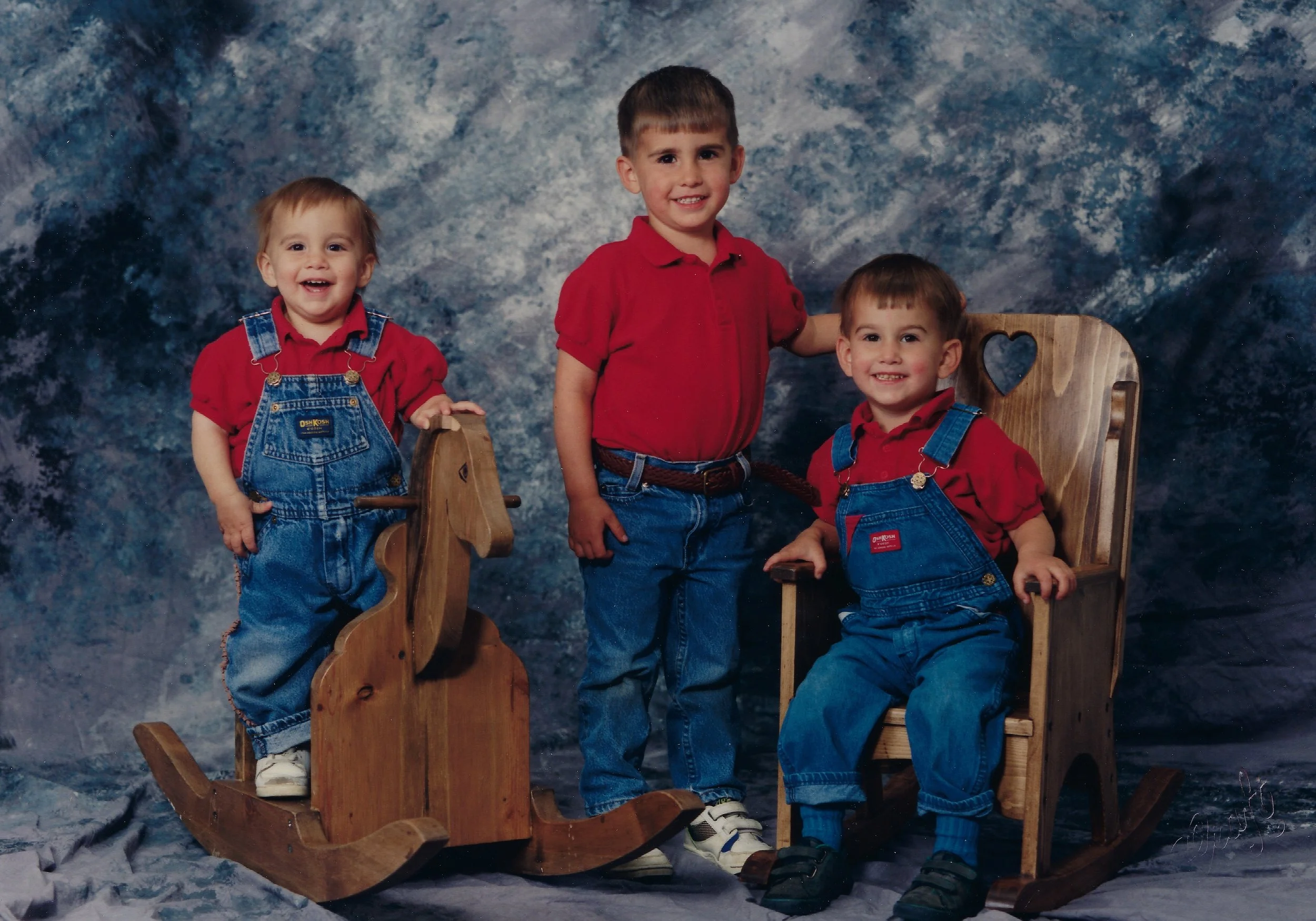
At three, he helped the preschool teacher, picking up, erasing the board, and “interpreting” for classmates. At four, he showed no signs he wasn’t ready for kindergarten. He knew the alphabet, could write his name, and knew our address, despite our recent move. I assumed he was gifted, and conferences confirmed his advanced abilities.
Our second child also developed language early, speaking in full sentences at one. So we expected the same of our third, but his language came later, though he crawled and walked just as early. His grandmother said his brothers spoke for him, and he’d talk when he was ready. I kept reading to him and practicing letters, colors, and rhymes. That’s when I began to question his literacy development.
He struggled to match some uppercase and lowercase letters, such as “E” and “e.” Rhyming confused him, too: asked what rhymed with “mat, bat, cat,” he’d answer “dog,” associating cat with a pet rather than a sound. Teachers weren’t concerned, and with two older boys to care for, I didn’t think much of it until first grade.
Then his oldest brother, now in fourth grade, began raising concerns—not because he was below average in reading, but because he was depressed. He struggled in every subject except math. Because he was new to the school, we were told his previous schools may not have prepared him well. Yet he had gone from the gifted program in first through third grade to the “not good student” group. Then they put his younger brother in “Reading Recovery,” and the teachers said that, since he was so smart, he would be out quickly, but he wasn’t.
We went from gifted and talented to literacy challenged. What did I miss?
Age Three: Notice Patterns Without Applying Labels
Teachers are reluctant to “label” a child, since it can create lasting negative bias. If you see dyslexia as a gift, you can flip the negativity around. If you do a search online, you are told it is a lifelong disability, which creates fear and even denial in parents. However, if you learn the benefits of dyslexia, you can alleviate the anxiety. Dyslexics think differently, which may not align with school, but in the long run, they often outpace their non-dyslexic peers (see Dyslexic Stories).
To understand dyslexia, you first have to understand language milestones. Between ages three and four, children typically expand their vocabulary to around 1,000 words, ask for clarification, and use more pronouns and possessives, such as “they,” “mine,” and “the dog’s food.” They talk about objects and their purposes, begin to notice syllables, recognize and make rhymes, connect some letters to sounds, and identify or compare beginning sounds in words. These skills develop gradually, and children may reach them at different times.
Conversely, at ages three and four, possible signs of dyslexia risk usually involve speech, language, and sound awareness—not reading itself. Watch for:
Delayed speech or language development, including ongoing difficulty learning or using familiar words. Our son identified animals by making their sounds instead of saying their names.
Difficulty pronouncing familiar words, especially when it continues beyond what’s typical for the child’s age. For example, a child may repeatedly say “aminal” for “animal” or “pasghetti” for “spaghetti.”
Trouble recognizing rhymes, such as noticing that cat and hat sound alike. This could have been a red flag for us, but I didn’t know what to look for.
Difficulty remembering nursery rhymes or songs, even after hearing them repeatedly.
Not understanding idioms since they often take things literally. For example: Rain or Shine. They usually understand what rain is, but not what shine means, much less the overall reference. (see Explaining Idioms Guide)
Difficulty learning letter names, especially those in their own name, despite playful practice. Children’s first letters are usually letters in their name, so note it if they don’t know those letters.
A family history of dyslexia or persistent reading and spelling difficulties also increases risk, particularly when a child has speech or language concerns. Remember, one in five children are dyslexic, so ask grandparents what they observed about their own children.
Turn Concerns into a Conversation—and a Plan
Bring observations and family history to the pediatrician. Did you know 98% of health professionals don’t bring up literacy during well-baby checks? Even if you don’t think your child/grandchild has a literacy challenge, advocating by tracking their development is the first step.
From the lessons I learned with my children, I realized a system for documenting their milestones is key, whether or not there are concerns. That is why CJ Corki developed the A-Z Journal. The journal aims to inspire parents, grandparents, and caregivers to go beyond traditional “Read-Aloud” books by fostering interactive, purposeful activities that build a school-readiness tracking system. By nurturing language and literacy development from infancy through kindergarten and using proven methods from Maya Smart’s research, children will be well prepared to become confident readers before they start school.
Why is it important? Capturing milestones and recording activities turns everyday moments into a purposeful literacy plan that keeps families engaged, reflective, and responsive so every small step in reading feeds a lifelong love of learning. Those notes also become practical insight to share with caregivers, teachers, doctors, and specialists, keeping everyone aligned, celebrating progress, and acting quickly when extra encouragement is needed.
These examples are observations to discuss, not diagnostic tests. Consider the child’s age, opportunities to learn, and whether several difficulties persist over time. Ask whether a speech-language evaluation or other developmental assessment would help. Families can contact their public school district about preschool evaluation beginning at age three, even before kindergarten.
Take One Useful Step Today
Start by documenting one milestone, observation, or concern. Follow up by starting one conversation, or arrange one follow-up. Remember, you don’t need all the answers to begin documenting. You aren’t just advocating because of concerns, but because you want your child/grandchild to have a lifelong love of learning. It can begin today.