

Accommodations suggestions, teaching methods, and other ways to help dyslexia students.
Dyslexia Help for Students
Classroom Facts
-

35% Students Below Basic Reading Level
In 4th grade, life in the classroom is tough for a student reading below a basic reading level. Although these students are capable of a higher level of reading, they are often overlooked leading to a life long struggle with trying to catch up.
-

Dyslexic Students are in EVERY Class
The International Dyslexia Association estimates that 15-20% of the population has dyslexia. From those kids reading below basic there are some of those students with what is known a the hidden disability of dyslexia.
-

Not Meeting the Students Needs
Teachers who are unaware of dyslexia and how to accommodate for these students, are not reaching these students talents. Since most dyslexics have a higher IQ, performing at or below reading level is underperforming.
-

ALL Students can Benefit
While all students benefit from systematic, explicit methods in reading and writing from well trained teachers in Literacy Instruction, for students with dyslexia it is VITAL.
Accommodations for Dyslexia at School
-

Small Class
A school environment that consists of small class sizes benefits a dyslexic student. And individual tutoring in Orton Gillingham or other dyslexic specific reading help makes a difference.
-

Presentations
Altering a presentation allows students to access materials in a way that does not require them to read standard print. Have verbal instructions with repetition, or in audio format. Have it in a larger font size or dyslexic font, and fewer items per page.
-

Alternative Format
Material could be presented in a song or poem to assist with learning facts. Explaining material in various ways to include differences in the way dyslexic students might understand.
-

Prompts
Vary teaching visuals to include prompts such as highlighting text or an arrow pointing on a page to assist students in keeping track of where you are in the material.
-
Assistive Tools
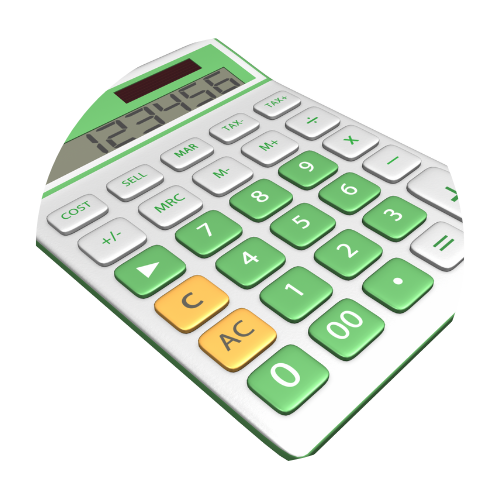
Allow dyslexic students to use a calculator, software for speech to text and text to speech, electronic dictionary, spelling and grammar check to name a few. This should be allowed for assignments and tests.
-

Response and Test Options
Allow students to demonstrate their knowledge in alternative ways. Verbally ask the questions and point to the response choices. Have a scribe to record responses or allow them the type in a response on the computer.
-

Adjust Environment
Allow the student to have a separate space from the other students with reduced visual and auditory distractions.
-

Extra Time
Be flexible with time allotments by breaking sessions into smaller tasks with breaks as well as allowing for extended time.
-

Organization
Use timers to help your students keep track of time, highlighters to mark text, graph paper for math problems, and color coding to assist with overall organization.